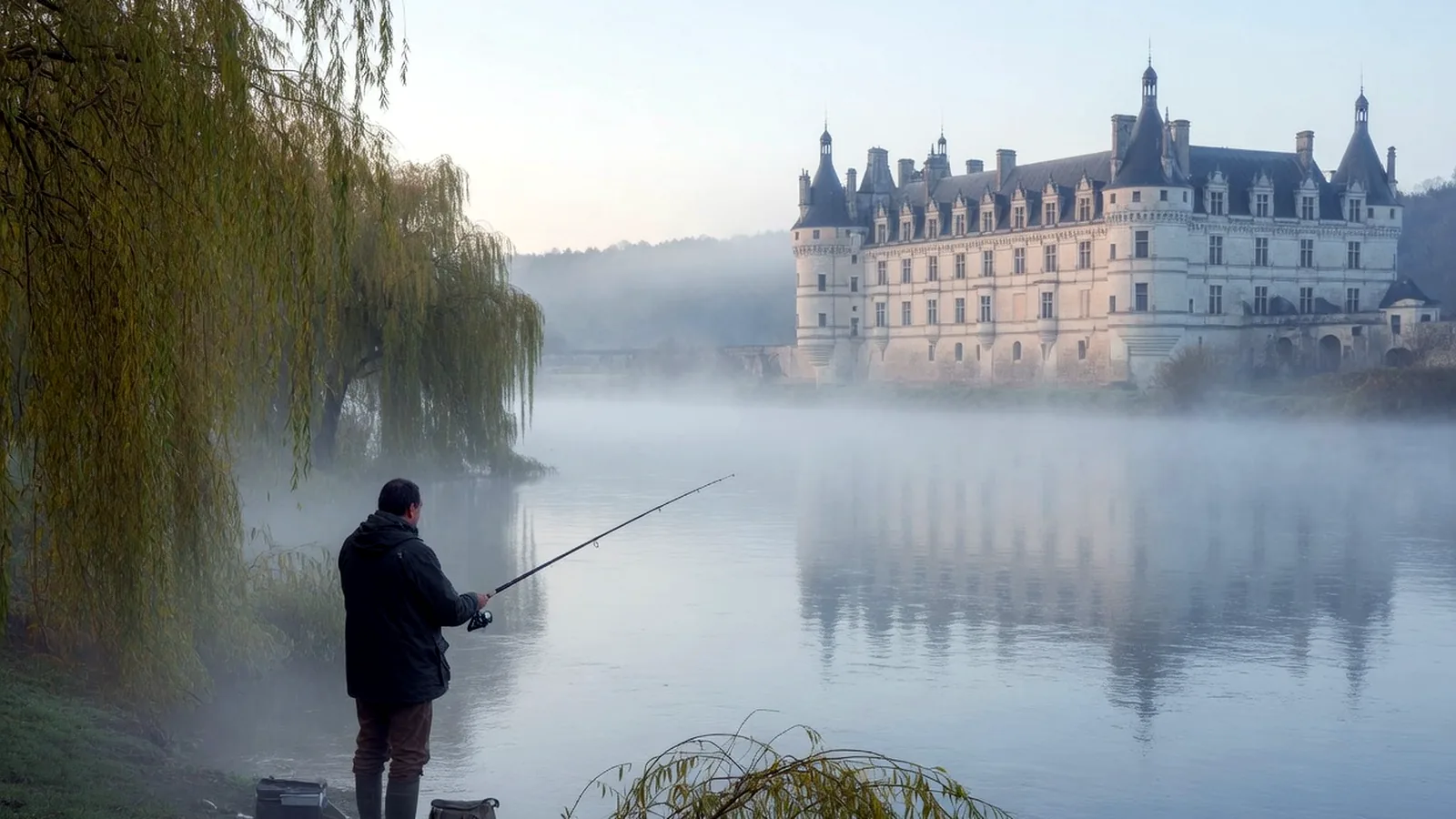
National averages hide the real France. The weather in Lille and Nice may as well be from different countries. France's regional weather is shaped by its position between the Atlantic, Mediterranean, and the European continent — plus the barrier effects of its mountain ranges and the unique wind systems they create.
| Regional Weather Extremes | Detail |
|---|---|
| Wettest region: Western Pyrenees (~2,000 mm/year) | |
| Driest region: Eastern Roussillon (~500 mm/year) | |
| Sunniest: Coastal Var/Bouches-du-Rhône (~2,900 hrs/year) | |
| Least sun: Nord-Pas-de-Calais (~1,550 hrs/year) | |
| Coldest inhabited: Mouthe, Doubs —"France's Siberia" (record: -41°C, 1985) | |
| Hottest recorded: Vérargues, Hérault (46°C, June 2019) |

The Atlantic Regions (Brittany, Normandy, Aquitaine)
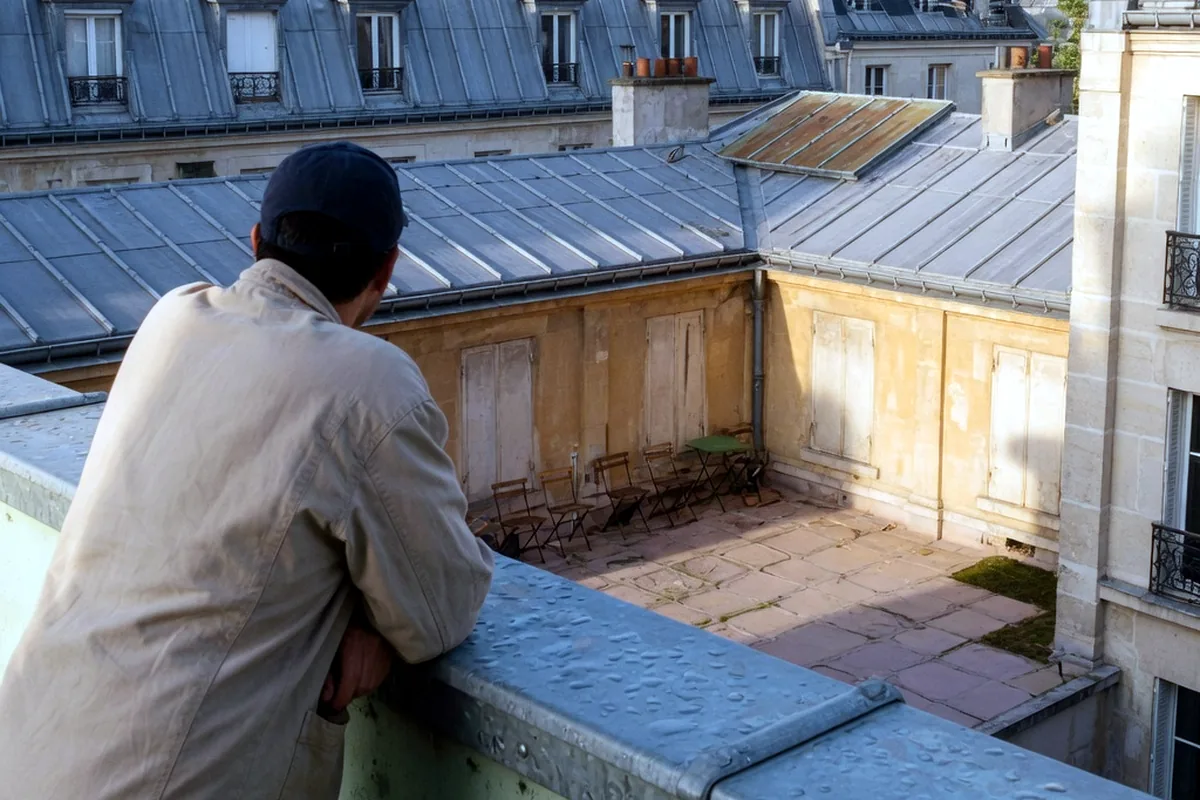
The Gulf Stream keeps western France mild year-round. Frost is rare on the Breton coast, and palm trees grow in sheltered spots. But "mild" doesn't mean dry — Brittany receives 800–1,200 mm of rain per year, often as persistent drizzle and mist. Atlantic storms (November–March) can bring powerful gales.
The Aquitaine coast (Bordeaux south to Biarritz) is warmer and sunnier than Brittany, with 2,000+ hours of sunshine. Summer sea breezes keep coastal temperatures pleasant while inland areas (Toulouse, the Dordogne) bake.
The Paris Basin
Paris has a reputation for rain, but it actually receives less annual rainfall than London, Marseille, or Bordeaux (~650 mm). The issue is frequency — rain falls on 110–120 days per year, often in short bursts. The Paris Basin's wide, flat geography allows weather systems to pass through quickly, creating changeable conditions.
Winter inversions can trap grey clouds and cold air over the basin for days. Summer heatwaves are intensifying — the 2003 heatwave killed an estimated 15,000 people in France, concentrated in cities.
The Rhône Corridor and the Mistral
The Rhône Valley is France's most dramatic weather corridor. The Mistral (master wind) is a cold, dry, powerful northerly wind that accelerates through the funnel between the Massif Central and the Alps, blasting down the Rhône Valley to the Mediterranean coast.
- Speed: Average 50–70 km/h, gusts to 130+ km/h
- Frequency: Blows ~100 days per year, most often in winter and spring
- Duration: Episodes typically last 3–6 days
- Effect: Clears the sky to a brilliant blue, drops temperatures dramatically, punishes anything not tied down
The Mistral is loved and loathed in equal measure — it brings Provence's famous clear light and deep blue sky, but it can ruin a beach day and topple outdoor furniture. Van Gogh painted in Arles with canvases strapped to his easel to resist it.
The Tramontane and Marin
In Languedoc, the Tramontane (the north/northwest wind) plays a similar role to the Mistral — cold, dry, clearing. Its counterpart is the Marin (a warm Mediterranean southeast wind) that brings moisture, cloud, and rain from the sea.
When the Marin collides with the Cévennes mountains (autumn especially), the result is épisodes cévenols (Cévennes episodes) — extreme rainfall events that can dump 200–400 mm in 24 hours, causing flash floods in the Gard, Hérault, and Ardèche.
The Mountains
Mountain weather in France is localised and unpredictable:
- Inversions: In winter, valleys fill with cold fog while summits bask in sunshine — a temperature difference of 10–15°C is common
- Afternoon storms: In summer, convective thunderstorms build over the peaks from midday — common in the Alps, Pyrenees, and Massif Central
- Foehn effect: Warm dry winds descend on the lee side of mountain barriers, suddenly raising temperatures
The Northeast (Alsace, Lorraine, Burgundy)
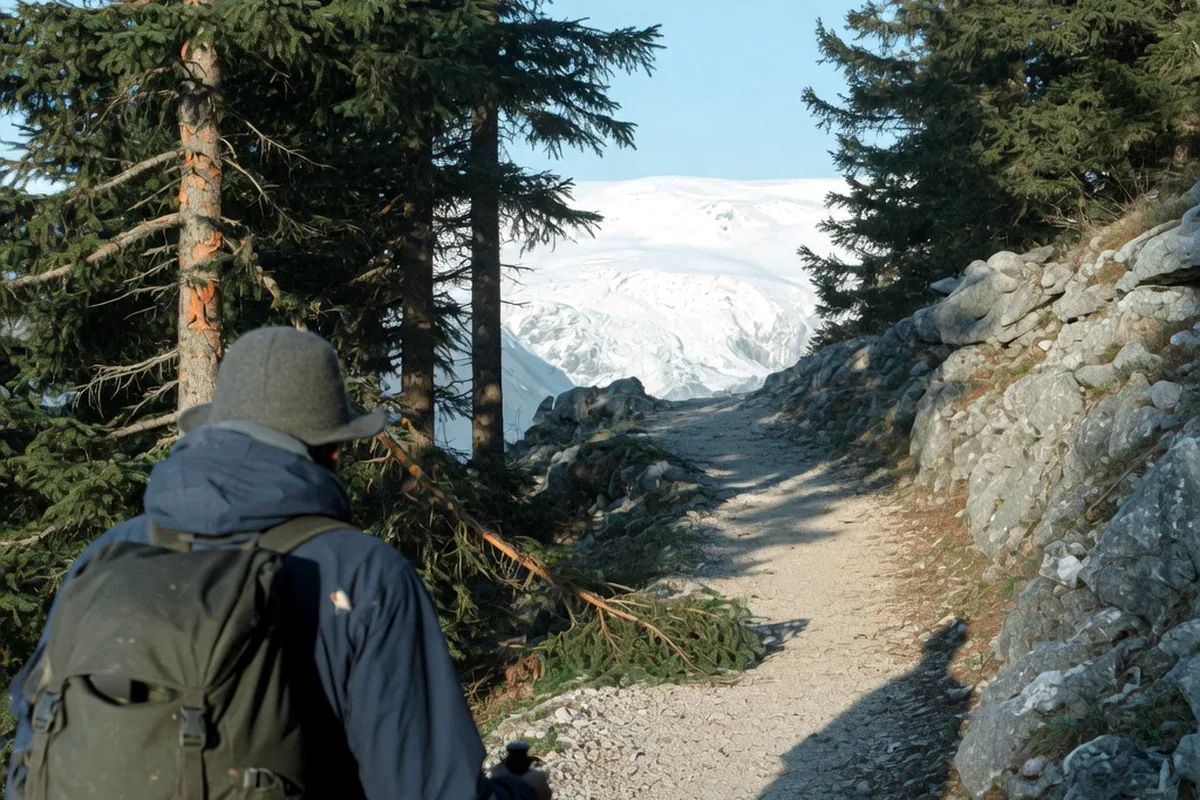
The most continental climate in France. Alsace is sheltered from Atlantic rain by the Vosges (the "rain shadow" makes it France's driest vineyard region at ~500 mm/year), but it gets cold winters with regular frost and occasional heavy snow.
Burgundy sits in a transition zone — cool enough for Pinot Noir (which demands it), with a continental tendency to produce dramatic vintage variations.
When to Visit — Use regional weather patterns to pick the best time for your trip — on La Porte.
On the ground
| Pin | Working note |
|---|---|
| Page | Regional Weather Patterns of France |
| Desk | La Terre |
| First use | Read the pins, then one related page — not five |
| Confirm | Official site or ticket desk the week you go |
Hours, fares, and festival weeks move. A 2024 caption is not a 2026 desk. Regional Weather Patterns of France sits in a country that is easy to over-plan and easy to under-prepare. The climate layer is where visitors collect names. This page is the opposite: what to do first, what to skip, and which sibling guide holds the rest.
France rewards a slow unit. One arrondissement, one valley, one appellation, one park trail. The photograph of five landmarks in five days is a real holiday, and it is also a queue with a passport. If you only have three nights, spend two of them in the same bed. The third night is for a train, not a third hotel.
Working a visit
Practical France is sockets (Type E/F, 230 V), tap water that is safe, pharmacies that are the real clinic for minor trouble, and a lunch hour that still closes a village. Cards work in cities. Cash still opens some park kiosks, some island boats, and some market stalls that have never seen contactless. A lightweight adapter belongs in the personal item, not the hold.
We will not write as if every reader is on a gap year, or as if every reader is in a palace hotel. We will not flatten 'the south' into one climate. We will not treat a strike day, a jour férié, or a Tuesday museum closure as a personality quirk of the French. They are calendars. Check them. Then use Regional Weather Patterns of France as a pin, not as scripture.
Cross the five guides instead of cloning them. La Porte holds trains and the first week. La Terre holds weather and park gates. L'Esprit holds museum Tuesdays and the Revolution. La Table holds the market morning and the wine list. Le Moteur holds the Tour, the working week, and why August is empty in Paris and full on the coast.