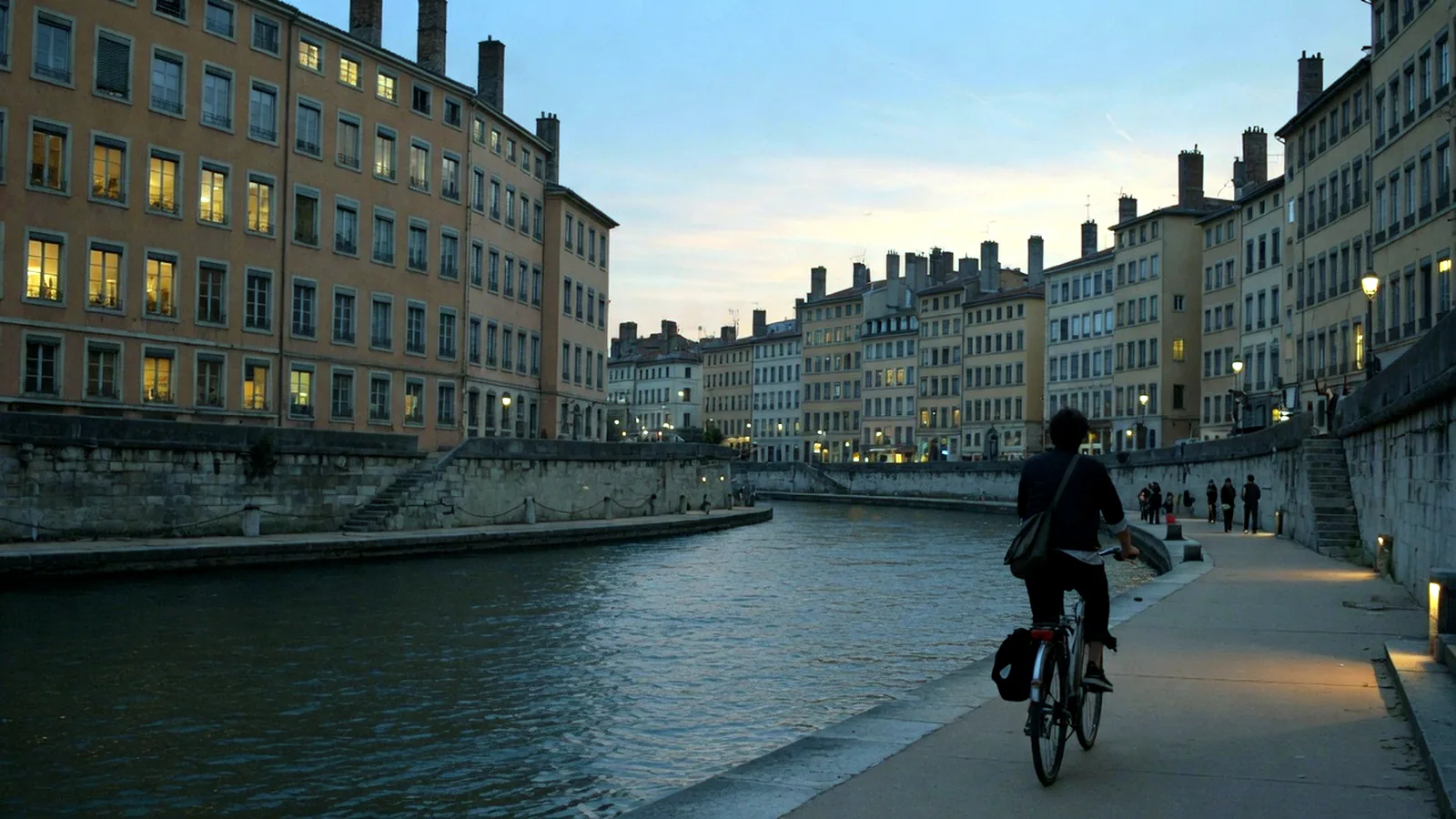
France's temperate reputation disguises a history of devastating weather extremes — heatwaves, floods, storms, and droughts that have shaped policy, architecture, and national memory. Climate change is intensifying these events, making extreme weather an increasingly central part of France's climate story.
| France — Extreme Weather Records | Detail |
|---|---|
| Hottest: 46.0°C — Vérargues, Hérault, 28 June 2019 | |
| Coldest: -41°C — Mouthe, Doubs, 13 January 1968 | |
| Highest rainfall (24 hrs): 1,000 mm+ — Valleraugue, Gard (Cévennes), September 1900 | |
| Wind: 320 km/h — Mont Ventoux, Vaucluse, 19 November 1967 | |
| Snow: 5.80 m — Bessans, Savoie, February 2008 (monthly total) |


Heatwaves (Canicules (Heatwaves))

The canicule (heatwave (literally: dog days)) of August 2003 was France's deadliest weather disaster in modern history — nearly 15,000 excess deaths, mostly among elderly people in cities without air conditioning. Temperatures in Paris reached 40°C for days, and the crisis exposed systemic failures in emergency response.
Since 2003, France has invested heavily in heatwave preparedness:
- Plan National Canicule: National alert system with colour-coded warnings
- Mandatory cooling rooms in care homes
- Public fountains and brumisateurs (misting stations) deployed in cities
- Heat refuges mapped in every commune
But heatwaves are intensifying. June 2019 shattered records — 46°C in southern France — and summer heat events are now ~twice as frequent as they were in the early 2000s. Météo-France projections suggest that by 2050, a "2003-type" summer will be a normal summer.
Floods
France's most frequent natural disaster. Major flood types:
Cévennes Episodes
The most dangerous. Warm, moist Mediterranean air hits the Cévennes mountains and rises sharply, dumping extraordinary rainfall — 200–600 mm in hours. The Gard, Hérault, Ardèche, and Aude are the most affected departments. The September 2002 Gard floods killed 24 people and caused €1.2 billion in damage.
Atlantic Storms and River Floods
Major rivers (Loire, Seine, Garonne) flood periodically when sustained Atlantic rainfall saturates catchments. The Seine floods in Paris roughly once a generation — 1910 remains the benchmark (8.62 m at the Pont d'Austerlitz), and the 2016 and 2018 floods reawakened concern.
Coastal Flooding
Storm Xynthia (February 2010) pushed an Atlantic surge over seawalls in Charente-Maritime and Vendée, killing 47 people and destroying thousands of homes. France's submersion marine (marine inundation) risk maps were redrawn as a result.
Storms
France lies in the path of Atlantic winter storms. The twin storms of December 1999 (Lothar and Martin) were the most destructive in living memory:
- 92 people killed
- 300+ million trees felled (Versailles lost 10,000)
- Widespread power outages lasting weeks
- Wind gusts of 170+ km/h recorded in Paris
Drought
Southern and central France experience periodic droughts — increasingly severe. The 2022 drought was the worst since records began:
- 3 consecutive months with rainfall 40% below normal
- Over 100 municipalities without running water (reliant on tankers)
- River levels at historic lows — Loire walkable at multiple points
- Emergency irrigation restrictions across 93 of 96 departments
Climate Change — The Direction of Travel

Météo-France data shows clear trends:
- Temperature: France has warmed by ~1.7°C since 1900 (faster than the global average)
- Heatwave days: Tripled since the 1950s
- Growing season: Extended by ~2 weeks since the 1980s (earlier harvests, shifting wine regions)
- Snowfall: Ski-reliable snow levels rising by ~100 m per decade
- Mediterranean rainfall: Becoming more concentrated (longer dry spells, more intense storms)
Health and Safety — Practical advice for dealing with heatwaves, floods, and storms while travelling in France — on La Porte.
On the ground
| Pin | Working note |
|---|---|
| Page | Extreme Weather in France |
| Desk | La Terre |
| First use | Read the pins, then one related page — not five |
| Confirm | Official site or ticket desk the week you go |
Hours, fares, and festival weeks move. A 2024 caption is not a 2026 desk. Extreme Weather in France sits in a country that is easy to over-plan and easy to under-prepare. The climate layer is where visitors collect names. This page is the opposite: what to do first, what to skip, and which sibling guide holds the rest.
France rewards a slow unit. One arrondissement, one valley, one appellation, one park trail. The photograph of five landmarks in five days is a real holiday, and it is also a queue with a passport. If you only have three nights, spend two of them in the same bed. The third night is for a train, not a third hotel.
Working a visit
Practical France is sockets (Type E/F, 230 V), tap water that is safe, pharmacies that are the real clinic for minor trouble, and a lunch hour that still closes a village. Cards work in cities. Cash still opens some park kiosks, some island boats, and some market stalls that have never seen contactless. A lightweight adapter belongs in the personal item, not the hold.
We will not write as if every reader is on a gap year, or as if every reader is in a palace hotel. We will not flatten 'the south' into one climate. We will not treat a strike day, a jour férié, or a Tuesday museum closure as a personality quirk of the French. They are calendars. Check them. Then use Extreme Weather in France as a pin, not as scripture.
Cross the five guides instead of cloning them. La Porte holds trains and the first week. La Terre holds weather and park gates. L'Esprit holds museum Tuesdays and the Revolution. La Table holds the market morning and the wine list. Le Moteur holds the Tour, the working week, and why August is empty in Paris and full on the coast.