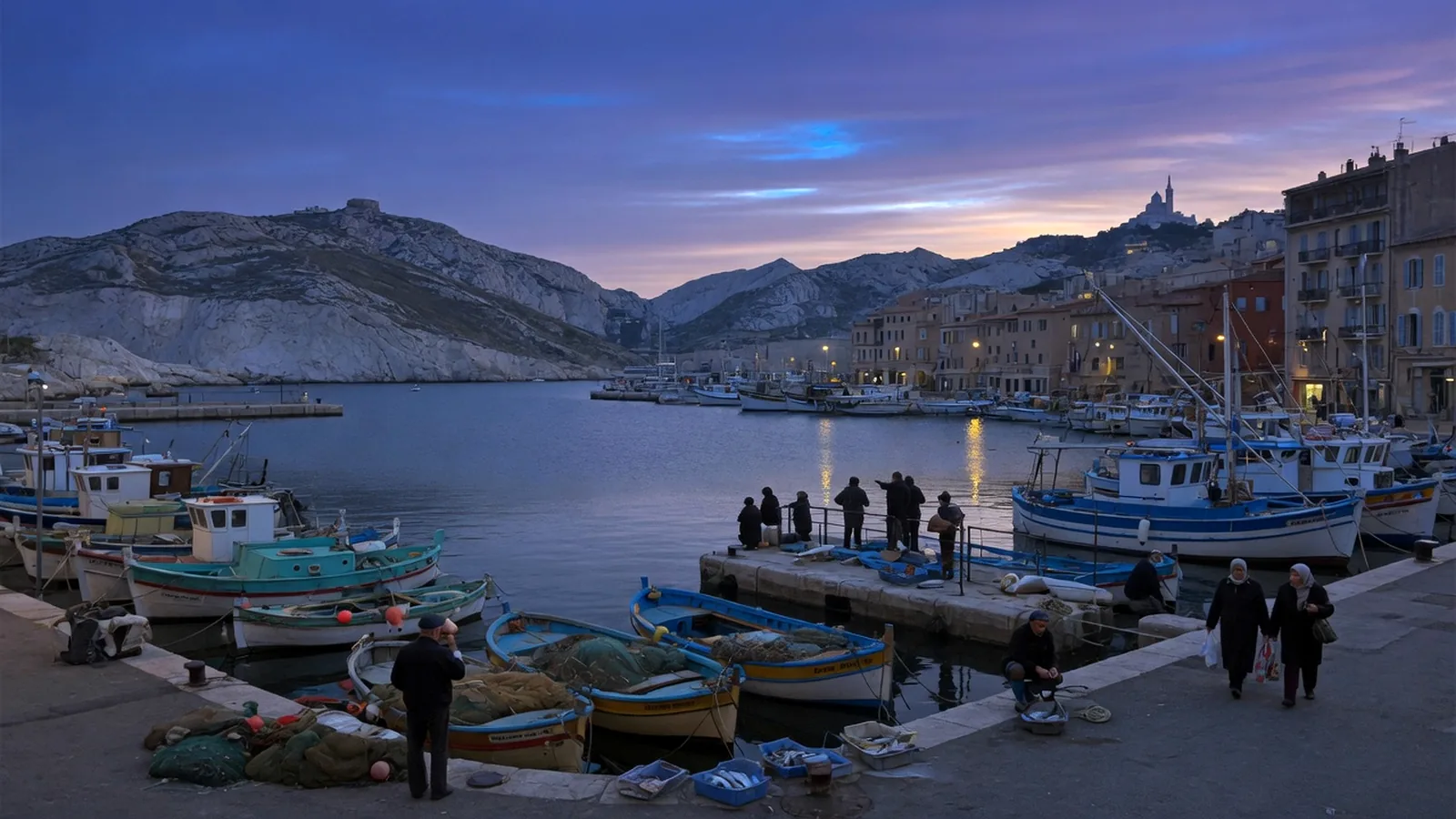
The Côte d'Azur (Azure Coast) is the most famous stretch of coastline in the world — a 115 km ribbon of turquoise water, limestone headlands, and sun-drenched towns from Saint-Tropez to the Italian border at Menton. The name was coined in 1887 by the poet Stéphen Liégeard, and it stuck — the colour of the sea here is genuinely, consistently, almost unreasonably blue.
| Côte d'Azur Natural Profile | Detail |
|---|---|
| Length: ~115 km (Saint-Tropez to Menton) | |
| Character: Rocky headlands, small beaches, perched villages, urban marinas | |
| Annual sunshine: 2,700–2,900 hours (one of the sunniest coastlines in Europe) | |
| Sea temperature: 14°C (February) to 25°C (August) | |
| Key natural areas: Îles de Lérins, Estérel massif, Cap Ferrat peninsula | |
| Marine zone: Part of the Pelagos Sanctuary (cetacean protection) |

The Natural Landscape
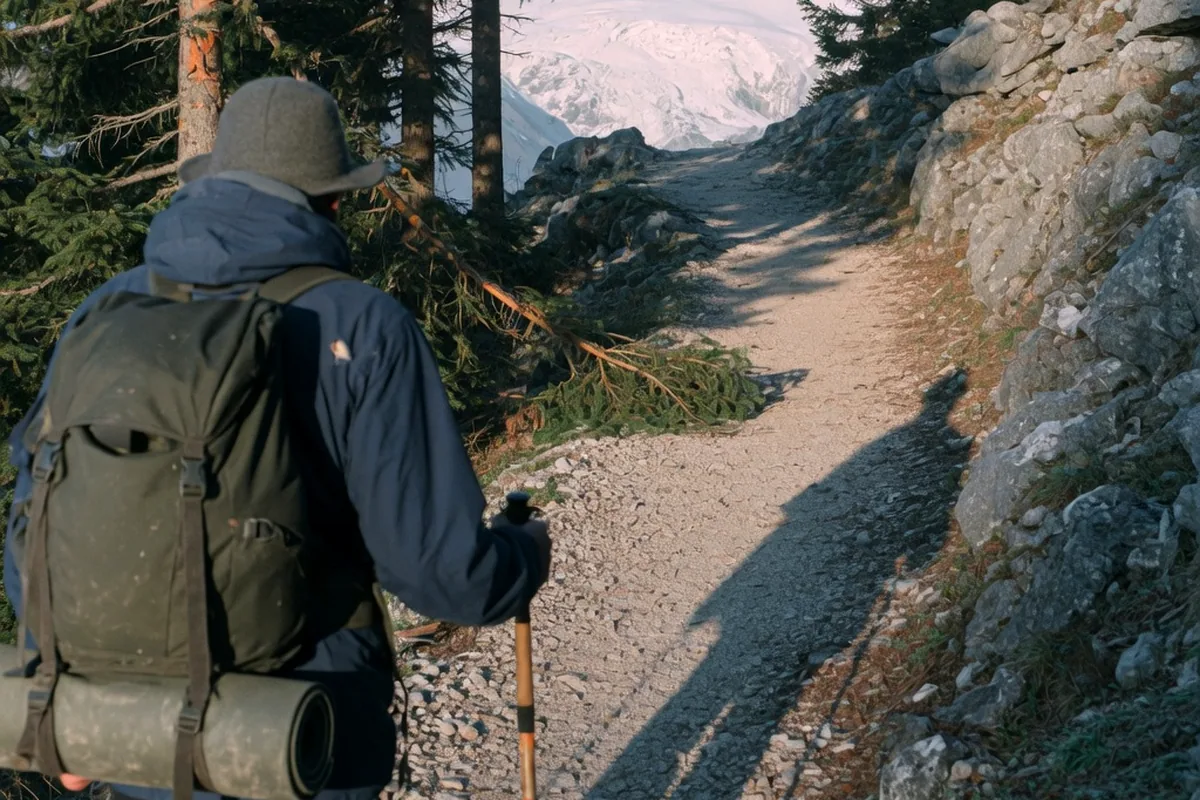
Behind the glamour, the Côte d'Azur's natural setting is extraordinary:
The Estérel Massif
Between Fréjus and Cannes, the Estérel is a volcanic massif of red porphyry rock plunging into blue water — a colour contrast that's almost surreal. Its coastline (the Corniche d'Or (Golden Corniche)) is one of France's most beautiful drives. The interior is wild — red rock, pine forest, cork oak, and maquis.
Cap Ferrat
A wooded peninsula between Nice and Monaco — one of the most expensive pieces of real estate on Earth, but also a remarkable coastal walk (the Sentier du Littoral (Coastal Path)) through Aleppo pine, Mediterranean scrub, and hidden coves.
The Îles de Lérins
Two islands visible from Cannes' Croisette: Sainte-Marguerite (forest, fort, the Man in the Iron Mask's cell) and Saint-Honorat (a working monastery since the 5th century, producing wine and liqueur). A 15-minute ferry removes you from Riviera crowds into silence and pine shade.
The Maritime Alps
The Côte d'Azur is unique in that genuine Alpine mountains — snow-capped in winter — are visible from the beaches. The backcountry rises steeply through perched villages (Èze, Sainte-Agnès) to the Mercantour National Park.
Ecology
The coast's ecology is under pressure from urbanisation but retains pockets of richness:
- Posidonia meadows: Critically important seagrass beds offshore (declining but protected)
- Pelagos Sanctuary: The offshore waters are part of an 87,500 km² cetacean reserve shared with Italy and Monaco
- Aleppo pine forests: The dominant coastal tree — fire-adapted, resinous, essential to the Riviera silhouette
- Marine caves and rocky reefs: Support grouper (recovering), moray eels, octopus, and red coral
The Three Corniches
The coast road between Nice and Monaco runs on three levels:
- Grande Corniche (top): The highest, most dramatic — built by Napoleon on the Roman Via Julia Augusta. Views to Corsica on clear days.
- Moyenne Corniche (middle): Through Èze village — the classic perched village viewpoint.
- Basse Corniche (coast level): Through Villefranche-sur-Mer and Beaulieu — closest to the water.
Nice City Guide — Nice — capital of the Riviera — city guide and practical information on La Porte.
On the ground
| Pin | Working note |
|---|---|
| Page | The Côte d'Azur |
| Desk | La Terre |
| First use | Read the pins, then one related page — not five |
| Confirm | Official site or ticket desk the week you go |
If another France InfoBuffoon guide owns the beat — a park gate, a museum Tuesday, a wine list — we send you there instead of duplicating a thinner copy here. The Côte d'Azur sits in a country that is easy to over-plan and easy to under-prepare. The coastlines layer is where visitors collect names. This page is the opposite: what to do first, what to skip, and which sibling guide holds the rest.
France rewards a slow unit. One arrondissement, one valley, one appellation, one park trail. The photograph of five landmarks in five days is a real holiday, and it is also a queue with a passport. If you only have three nights, spend two of them in the same bed. The third night is for a train, not a third hotel.
Working a visit
Practical France is sockets (Type E/F, 230 V), tap water that is safe, pharmacies that are the real clinic for minor trouble, and a lunch hour that still closes a village. Cards work in cities. Cash still opens some park kiosks, some island boats, and some market stalls that have never seen contactless. A lightweight adapter belongs in the personal item, not the hold.
We will not write as if every reader is on a gap year, or as if every reader is in a palace hotel. We will not flatten 'the south' into one climate. We will not treat a strike day, a jour férié, or a Tuesday museum closure as a personality quirk of the French. They are calendars. Check them. Then use The Côte d'Azur as a pin, not as scripture.
Cross the five guides instead of cloning them. La Porte holds trains and the first week. La Terre holds weather and park gates. L'Esprit holds museum Tuesdays and the Revolution. La Table holds the market morning and the wine list. Le Moteur holds the Tour, the working week, and why August is empty in Paris and full on the coast.
Across the five guides
- La Porte — Travel, cities, and the first week
- L'Esprit — History, arts, and landmarks
- La Table — Food, wine, and the meal
- Le Moteur — Economy, sport, and work
On the ground
| Pin | Working note |
|---|---|
| Page | The Côte d'Azur |
| Desk | La Terre |
| First use | Read the pins, then one related page — not five |
| Confirm | Official site or ticket desk the week you go |
If another France InfoBuffoon guide owns the beat — a park gate, a museum Tuesday, a wine list — we send you there instead of duplicating a thinner copy here. The Côte d'Azur sits in a country that is easy to over-plan and easy to under-prepare. The coastlines layer is where visitors collect names. This page is the opposite: what to do first, what to skip, and which sibling guide holds the rest.
France rewards a slow unit. One arrondissement, one valley, one appellation, one park trail. The photograph of five landmarks in five days is a real holiday, and it is also a queue with a passport. If you only have three nights, spend two of them in the same bed. The third night is for a train, not a third hotel.
Working a visit
Practical France is sockets (Type E/F, 230 V), tap water that is safe, pharmacies that are the real clinic for minor trouble, and a lunch hour that still closes a village. Cards work in cities. Cash still opens some park kiosks, some island boats, and some market stalls that have never seen contactless. A lightweight adapter belongs in the personal item, not the hold.
We will not write as if every reader is on a gap year, or as if every reader is in a palace hotel. We will not flatten 'the south' into one climate. We will not treat a strike day, a jour férié, or a Tuesday museum closure as a personality quirk of the French. They are calendars. Check them. Then use The Côte d'Azur as a pin, not as scripture.
Cross the five guides instead of cloning them. La Porte holds trains and the first week. La Terre holds weather and park gates. L'Esprit holds museum Tuesdays and the Revolution. La Table holds the market morning and the wine list. Le Moteur holds the Tour, the working week, and why August is empty in Paris and full on the coast.