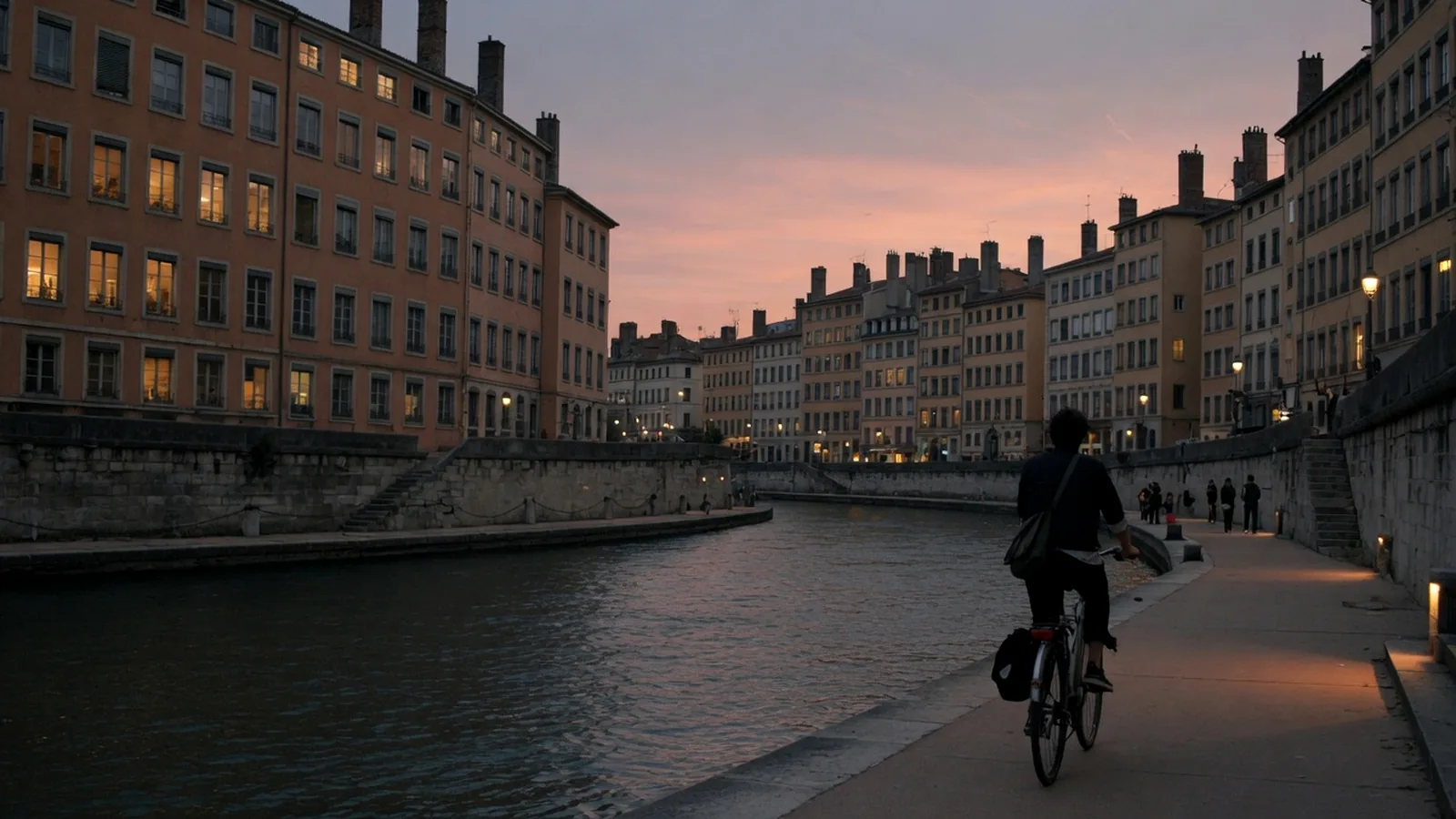
France is perceived as a water-rich country — and at a national level, it is. Annual rainfall averages 900 mm, five major rivers drain the territory, and vast aquifers underlie the Paris Basin and the plains. But the picture is uneven: the south is increasingly drought-prone, intensive agriculture demands vast irrigation, and the quality of groundwater has been compromised by decades of fertiliser and pesticide use. Water — its abundance, its scarcity, and its purity — is becoming one of France's defining environmental challenges.
| Water Resources | Detail |
|---|---|
| Average annual rainfall: ~900 mm (range: 500 mm in Mediterranean to 2,000+ mm in mountains) | |
| Major rivers: Loire, Seine, Rhône, Garonne, Rhine | |
| Groundwater reserves: ~2,000 billion m³ in aquifers | |
| Drinking water sources: 66% groundwater, 34% surface water | |
| Agricultural water use: ~50% of total consumption (70%+ in southern irrigation regions) | |
| Thermal spring towns: 90+ officially recognised stations thermales (thermal resorts) |


Groundwater
Beneath France's surface lies an immense water reserve — aquifers in limestone, chalk, sand, and gravel that supply two-thirds of the country's drinking water.
The Paris Basin Aquifer System
The largest and most important — a layered sandwich of chalk, limestone, and sandstone aquifers underlying the entire Paris Basin. The Chalk Aquifer of Northern France alone provides water to millions. These systems recharge slowly from rainfall and are vulnerable to nitrate and pesticide contamination from intensive farming.
The Beauce Aquifer
One of Europe's largest water tables — underlying the vast cereal plains south of Paris. Heavily drawn upon for irrigation (the Beauce is France's wheat belt), the aquifer's level has declined significantly since the 1990s, prompting extraction restrictions.
Karst Springs
In the limestone south (Causses, Provence, Jura), water infiltrates through karst and re-emerges as springs — often of exceptional purity and flow. The Fontaine de Vaucluse (Provence) is France's most powerful spring — the resurgence of an underground river, capable of discharging 90 m³/second during snowmelt.
Thermal Waters
France has a deep relationship with thermal springs — le thermalisme (therapeutic bathing) — dating to Roman times. Over 90 stations thermales (thermal resorts) are officially recognised by the French health system, and thermal cures are partially reimbursed by social security.
Major thermal regions:
- Pyrenees: Cauterets, Bagnères-de-Luchon, Ax-les-Thermes — sulphurous springs
- Auvergne: Vichy (France's most famous spa town), Le Mont-Dore, La Bourboule — volcanic-heated mineral waters
- Alps: Évian (yes, the bottled water), Aix-les-Bains, Thonon
- Vosges: Vittel, Contrexéville — mineral water capitals
Mineral Water
France is the world's most celebrated producer of mineral water — a €2 billion domestic market:
- Évian: From springs on the southern shore of Lake Geneva
- Vittel and Contrexéville: From the Vosges in eastern France
- Volvic: From volcanic filtration in the Chaîne des Puys
- Perrier: From a carbonated spring near Nîmes (Vergèze)
- Badoit: From Saint-Galmier in the Loire
Water Challenges
Drought
Southern and central France face increasingly severe summer droughts — the 2022 drought was the worst in recorded history, with 100+ municipalities without running water. Climate projections suggest that by 2050, summer water availability in the south could decline by 30–50%.
Agricultural Pollution
Decades of intensive agriculture have contaminated groundwater:
- Nitrates from fertilisers exceed safe limits in many areas (particularly Brittany, Beauce, Champagne)
- Pesticides are detected in the majority of French watercourses
- Algal blooms (green tides) plague Brittany's coast — caused by agricultural nitrate runoff
Infrastructure
France loses an estimated 20% of treated drinking water to leaking pipes — a major investment challenge for municipalities.
Health and Safety — Drinking water safety and hydration advice for travellers in France — on La Porte.
On the ground
| Pin | Working note |
|---|---|
| Page | Water Resources of France |
| Desk | La Terre |
| First use | Read the pins, then one related page — not five |
| Confirm | Official site or ticket desk the week you go |
Hours, fares, and festival weeks move. A 2024 caption is not a 2026 desk. Water Resources of France sits in a country that is easy to over-plan and easy to under-prepare. The resources layer is where visitors collect names. This page is the opposite: what to do first, what to skip, and which sibling guide holds the rest.
France rewards a slow unit. One arrondissement, one valley, one appellation, one park trail. The photograph of five landmarks in five days is a real holiday, and it is also a queue with a passport. If you only have three nights, spend two of them in the same bed. The third night is for a train, not a third hotel.
Working a visit
Practical France is sockets (Type E/F, 230 V), tap water that is safe, pharmacies that are the real clinic for minor trouble, and a lunch hour that still closes a village. Cards work in cities. Cash still opens some park kiosks, some island boats, and some market stalls that have never seen contactless. A lightweight adapter belongs in the personal item, not the hold.
We will not write as if every reader is on a gap year, or as if every reader is in a palace hotel. We will not flatten 'the south' into one climate. We will not treat a strike day, a jour férié, or a Tuesday museum closure as a personality quirk of the French. They are calendars. Check them. Then use Water Resources of France as a pin, not as scripture.
Cross the five guides instead of cloning them. La Porte holds trains and the first week. La Terre holds weather and park gates. L'Esprit holds museum Tuesdays and the Revolution. La Table holds the market morning and the wine list. Le Moteur holds the Tour, the working week, and why August is empty in Paris and full on the coast.