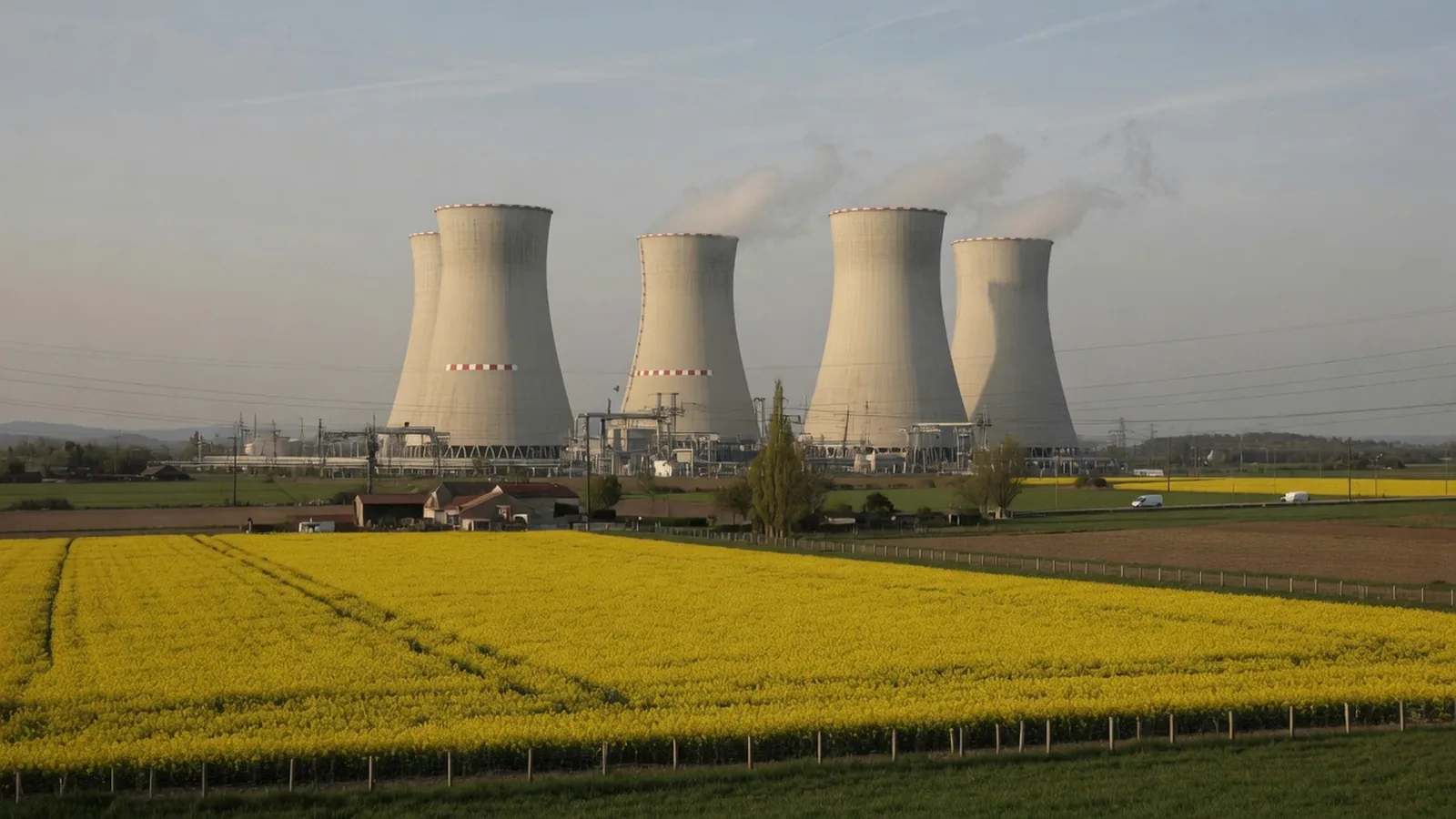
France lies at the intersection of three major migration flyways — the Atlantic, Mediterranean, and East Atlantic — and contains habitats ranging from Arctic-alpine to subtropical wetland. Over 550 bird species have been recorded, with around 300 breeding regularly. For European birders, France is a superpower.
| French Ornithology | Detail |
|---|---|
| Species recorded: 550+ | |
| Regular breeding species: ~300 | |
| Breeding raptor species: 25+ (one of the highest in Europe) | |
| Key wetland sites: Camargue, Baie de Somme, Lac du Der, Dombes, Marais Poitevin | |
| Key mountain sites: Pyrenees, Alps, Massif Central | |
| Key seabird sites: Sept-Îles, Iroise, Frioul, Scandola | |
| National bird organisation: LPO (Ligue pour la Protection des Oiseaux) — 70,000+ members |


Iconic French Birds
Greater Flamingo (Flamant rose (greater flamingo))
The Camargue is the only regular breeding site for flamingos in mainland France — and one of the largest in Europe (~10,000+ pairs). Flamingos are present year-round, but the best spectacle is spring (breeding plumage) and summer (chick-rearing). The Étang de Fangassier (Fangassier lagoon) is the main nesting islet.
White Stork (Cigogne blanche (white stork))
Alsace's symbol. White storks nest on rooftops, church towers, and purpose-built platforms across Alsace and northern France. The population collapsed in the 1970s (~9 pairs in 1974) due to habitat loss, powerline collisions, and hunting along migration routes. Conservation programmes — including captive breeding, nest platforms, and powerline modifications — have produced a spectacular recovery: 2,000+ pairs now breed in France.
Griffon Vulture (Vautour fauve (griffon vulture))
Wingspan: 2.5–2.8 m. The griffon vulture was extinct in the Grands Causses by the 1940s. Reintroduction began in 1981 (Gorges de la Jonte, Lozère), and the population now exceeds 1,000 breeding pairs across the Grands Causses, Pyrenees, Baronnies, and Verdon. Watching griffons soar above the Gorges du Tarn is one of France's great wildlife experiences.
Bearded Vulture (Gypaète barbu (bearded vulture))
Europe's rarest vulture — the bone-breaker. Reintroduced in the Alps (since 1986) and Grands Causses (since 2012). ~50 breeding pairs in France. Unmistakable: huge, diamond-shaped tail, rusty breast, fierce red eye-ring.
Golden Eagle (Aigle royal (golden eagle))
450–500 breeding pairs in the Alps, Pyrenees, Massif Central, and Corsica. Mountain valleys, hunting over open slopes above the treeline. Often seen quartering hillsides in slow, powerful flight.
Birdwatching Hotspots
The Camargue (Bouches-du-Rhône)
France's premier wetland — 85,000 hectares of salt marshes, lagoons, and rice paddies. 350+ species recorded. Key species: flamingos, avocets, slender-billed gulls, purple herons, squacco herons, rollers, bee-eaters, marsh harriers. The Parc Ornithologique de Pont de Gau is an excellent introduction.
Baie de Somme (Picardy)
Northern France's greatest birding site — Europe's largest colony of common seals and an extraordinary wader stopover. Peak: August–October migration. Spoonbills, knots, grey plovers, and regular seabird passage.
Pyrenees National Park
Lammergeier, griffon vultures, Egyptian vultures, golden eagles, wallcreepers, ptarmigan, snow finches, Alpine accentors — all in one mountain landscape. The Ossau Valley and Gavarnie are the classic sites.
Dombes (Ain, near Lyon)
1,000+ medieval fish ponds create a mosaic of water and marsh — one of France's richest inland wetland sites. Whiskered terns, great bitterns, purple herons, night herons. Best: April–June.
Lac du Der-Chantecoq (Champagne)
France's largest artificial lake — and the premier site for migrating cranes. 200,000+ Eurasian cranes pass through in autumn (October–November) and spring (February–March), creating one of Europe's great wildlife spectacles.
Migration
France's position makes it a crucial migration corridor:
- Autumn (Sep–Nov): Raptors funnel through the Pyrenean passes (Col d'Organbidexka — an international count site); cranes cross the country southeast-to-northwest; seabirds pass offshore in Brittany and the Channel.
- Spring (Mar–May): Bee-eaters and hoopoes arrive in the south; storks return to Alsace; swifts flood into cities.
Regions of France — Explore France's birdwatching regions — from the Camargue to Brittany — on La Porte.
On the ground
| Pin | Working note |
|---|---|
| Page | Birds of France |
| Desk | La Terre |
| First use | Read the pins, then one related page — not five |
| Confirm | Official site or ticket desk the week you go |
Birds of France is a working page on La Terre, not a souvenir. Use it with the week you travel. Birds of France sits in a country that is easy to over-plan and easy to under-prepare. The fauna layer is where visitors collect names. This page is the opposite: what to do first, what to skip, and which sibling guide holds the rest.
France rewards a slow unit. One arrondissement, one valley, one appellation, one park trail. The photograph of five landmarks in five days is a real holiday, and it is also a queue with a passport. If you only have three nights, spend two of them in the same bed. The third night is for a train, not a third hotel.
Working a visit
Practical France is sockets (Type E/F, 230 V), tap water that is safe, pharmacies that are the real clinic for minor trouble, and a lunch hour that still closes a village. Cards work in cities. Cash still opens some park kiosks, some island boats, and some market stalls that have never seen contactless. A lightweight adapter belongs in the personal item, not the hold.
We will not write as if every reader is on a gap year, or as if every reader is in a palace hotel. We will not flatten 'the south' into one climate. We will not treat a strike day, a jour férié, or a Tuesday museum closure as a personality quirk of the French. They are calendars. Check them. Then use Birds of France as a pin, not as scripture.
Cross the five guides instead of cloning them. La Porte holds trains and the first week. La Terre holds weather and park gates. L'Esprit holds museum Tuesdays and the Revolution. La Table holds the market morning and the wine list. Le Moteur holds the Tour, the working week, and why August is empty in Paris and full on the coast.