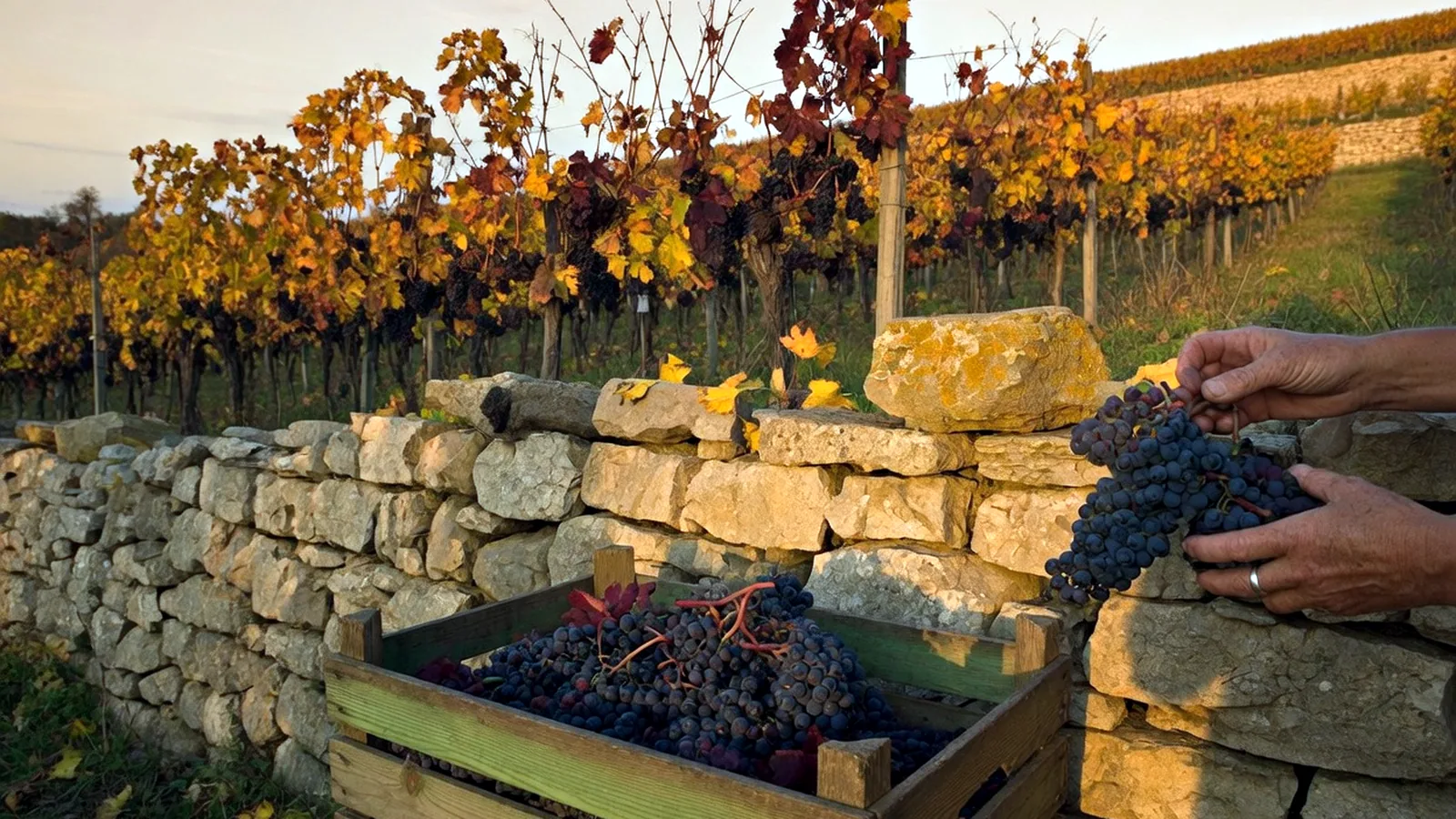
The Cévennes is France's most unusual national park — and arguably its most beautiful. Unlike the Alpine parks (which protect high-altitude wilderness), the Cévennes protects a lived cultural landscape: a mosaic of chestnut forests, limestone Causses, deep schist valleys, and drailles (ancient transhumance paths) that have been shaped by human settlement for millennia. It's a UNESCO World Heritage cultural landscape, an International Biosphere Reserve, and — since 2018 — France's largest International Dark Sky Reserve.
| Cévennes National Park | Detail |
|---|---|
| Created: 1970 | |
| Core zone: 938 km² | |
| Buffer zone: 2,300 km² | |
| Altitude range: 378 m to 1,699 m (Mont Lozère) | |
| UNESCO: World Heritage cultural landscape (Causses et Cévennes, 2011) | |
| Dark Sky Reserve: International Dark Sky Reserve (2018) — France's only one | |
| Inhabitants in core zone: ~600 (the only mainland NP where people permanently reside in the core) | |
| Vulture species: 4 (griffon, black, Egyptian, bearded — all breeding or present) |
Landscape
Three distinct geological zones converge in the Cévennes:
- Mont Lozère (north): A granite dome rising to 1,699 m — windswept, treeless summit plateau dotted with menhirs (standing stones) and crossed by the Stevenson Trail (GR70)
- Mont Aigoual (south): A forested peak (1,567 m) with a meteorological observatory at the summit — views to the Mediterranean on clear days
- Les Causses (west): Vast limestone plateaus — the Causse Méjean, Causse de Sauveterre — dry, karst-riddled, sparsely populated, bounded by the Gorges du Tarn
- The Cévennes valleys (east): Deep, narrow, terraced with chestnuts and mulberries — the historic silk-growing country
Wildlife
The Cévennes has been a conservation success story:
- Griffon vultures: Reintroduced in the Gorges de la Jonte since 1981 — now 500+ pairs across the wider Grands Causses. The Belvédère des Vautours visitor centre offers live nest-cam viewing.
- Black vultures, Egyptian vultures, bearded vultures: All reintroduced or returning — making the Cévennes one of only a few sites in Western Europe with four vulture species.
- Wolves: Returning naturally from the Alps — occasional confirmed presence.
- Przewalski's horses: A semi-wild herd on the Causse Méjean — part of a global conservation breeding programme.
- European beaver: Reintroduced into the Tarn in the 1970s — thriving.
Night Sky
The Cévennes is France's only International Dark Sky Reserve — 3,560 km² certified by the International Dark-Sky Association. On moonless nights, the Milky Way arcs overhead with extraordinary clarity. Best viewing: Mont Aigoual summit, Causse Méjean (no light pollution in any direction), Mont Lozère.
The Stevenson Trail (GR70)
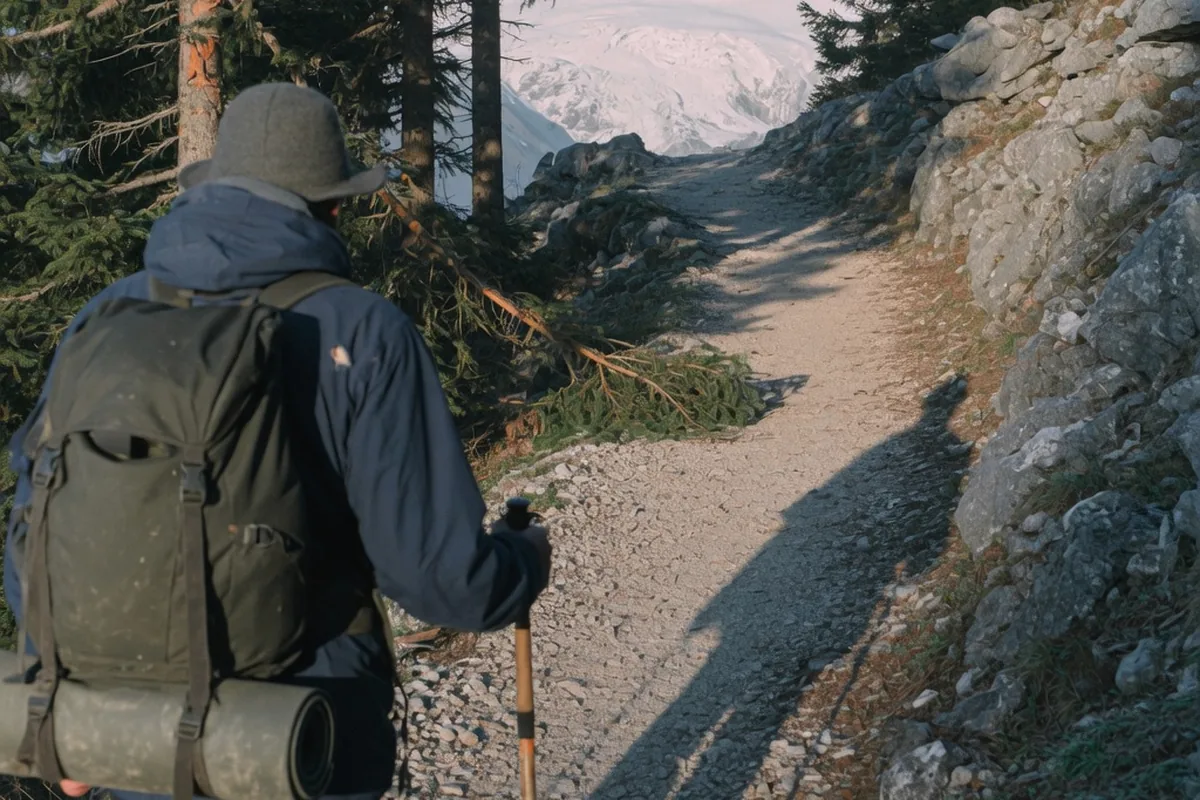
Robert Louis Stevenson walked through the Cévennes in 1878 with a donkey named Modestine — and wrote Travels with a Donkey in the Cévennes. The GR70 follows his 252 km route from Le Puy-en-Velay to Saint-Jean-du-Gard. It remains one of France's most popular long-distance trails, and yes — you can still hire a donkey to carry your pack.
Routes of France — Walk the Stevenson Trail or drive the Gorges du Tarn — on La Porte.
On the ground
| Pin | Working note |
|---|---|
| Park | Cévennes National Park |
| Core zone | Rules are real: dogs, drones, fires, off-trail |
| Shoulder | July crowds; September walking |
| Cash | Some huts and car parks still want notes |
If another France InfoBuffoon guide owns the beat — a park gate, a museum Tuesday, a wine list — we send you there instead of duplicating a thinner copy here. Cévennes National Park sits in a country that is easy to over-plan and easy to under-prepare. The parks layer is where visitors collect names. This page is the opposite: what to do first, what to skip, and which sibling guide holds the rest.
France rewards a slow unit. One arrondissement, one valley, one appellation, one park trail. The photograph of five landmarks in five days is a real holiday, and it is also a queue with a passport. If you only have three nights, spend two of them in the same bed. The third night is for a train, not a third hotel.
Working a visit
Practical France is sockets (Type E/F, 230 V), tap water that is safe, pharmacies that are the real clinic for minor trouble, and a lunch hour that still closes a village. Cards work in cities. Cash still opens some park kiosks, some island boats, and some market stalls that have never seen contactless. A lightweight adapter belongs in the personal item, not the hold.
We will not write as if every reader is on a gap year, or as if every reader is in a palace hotel. We will not flatten 'the south' into one climate. We will not treat a strike day, a jour férié, or a Tuesday museum closure as a personality quirk of the French. They are calendars. Check them. Then use Cévennes National Park as a pin, not as scripture.
Cross the five guides instead of cloning them. La Porte holds trains and the first week. La Terre holds weather and park gates. L'Esprit holds museum Tuesdays and the Revolution. La Table holds the market morning and the wine list. Le Moteur holds the Tour, the working week, and why August is empty in Paris and full on the coast.
Across the five guides
- La Porte — Travel, cities, and the first week
- L'Esprit — History, arts, and landmarks
- La Table — Food, wine, and the meal
- Le Moteur — Economy, sport, and work
On the ground
| Pin | Working note |
|---|---|
| Park | Cévennes National Park |
| Core zone | Rules are real: dogs, drones, fires, off-trail |
| Shoulder | July crowds; September walking |
| Cash | Some huts and car parks still want notes |
If another France InfoBuffoon guide owns the beat — a park gate, a museum Tuesday, a wine list — we send you there instead of duplicating a thinner copy here. Cévennes National Park sits in a country that is easy to over-plan and easy to under-prepare. The parks layer is where visitors collect names. This page is the opposite: what to do first, what to skip, and which sibling guide holds the rest.
France rewards a slow unit. One arrondissement, one valley, one appellation, one park trail. The photograph of five landmarks in five days is a real holiday, and it is also a queue with a passport. If you only have three nights, spend two of them in the same bed. The third night is for a train, not a third hotel.
Working a visit
Practical France is sockets (Type E/F, 230 V), tap water that is safe, pharmacies that are the real clinic for minor trouble, and a lunch hour that still closes a village. Cards work in cities. Cash still opens some park kiosks, some island boats, and some market stalls that have never seen contactless. A lightweight adapter belongs in the personal item, not the hold.
We will not write as if every reader is on a gap year, or as if every reader is in a palace hotel. We will not flatten 'the south' into one climate. We will not treat a strike day, a jour férié, or a Tuesday museum closure as a personality quirk of the French. They are calendars. Check them. Then use Cévennes National Park as a pin, not as scripture.
Cross the five guides instead of cloning them. La Porte holds trains and the first week. La Terre holds weather and park gates. L'Esprit holds museum Tuesdays and the Revolution. La Table holds the market morning and the wine list. Le Moteur holds the Tour, the working week, and why August is empty in Paris and full on the coast.