France's seasons are pronounced and predictable. Here's what to expect in each month, with data for three representative cities: Paris (oceanic), Strasbourg (continental), and Nice (Mediterranean).
| Quick Seasonal Summary | Detail |
|---|---|
| Spring (Mar–May): Warming, unpredictable, beautiful — blossoms and green | |
| Summer (Jun–Aug): Warm to hot, long days, peak season, south can be scorching | |
| Autumn (Sep–Nov): Harvest season, golden light, cooling, vineyards ablaze | |
| Winter (Dec–Feb): Cold north and east, mild southwest, ski season, short days |


January
The coldest month. Northern France averages 2–5°C, with grey skies and occasional snow (more persistent in the east and mountains). The Mediterranean coast stays mild at 8–12°C but can be blustery. The Alps and Pyrenees are in full ski season — heavy snow at altitude. Daylight: ~8.5 hours in Paris.
| City | Avg High | Avg Low | Rain (mm) | Sun (hrs) |
|---|---|---|---|---|
| Paris | 7°C | 2°C | 51 | 62 |
| Strasbourg | 4°C | -1°C | 36 | 45 |
| Nice | 13°C | 5°C | 69 | 150 |
February
Still winter — often France's snowiest month in the mountains. Slightly longer days begin to hint at spring. Almond trees blossom on the Côte d'Azur. The Chandeleur (Candlemas (crêpe day)) falls on February 2nd.
March
Spring begins officially but arrives unevenly. The south warms to 15°C, while the north hovers at 10°C. Rain is common everywhere. Mimosa flowers carpet the Riviera hillsides.
April
Paris in April is legendary — and sometimes cold and wet. The city averages 15–16°C but can swing from 8°C to 22°C in a single week. Cherry blossoms in the parks. The Mediterranean warms to 17–19°C. Mountain snow begins to melt at lower elevations.
May
Perhaps France's most beautiful month. Warm (18–24°C across most regions), with long evenings and flowers everywhere. Lavender begins budding in Provence. Still before peak-season crowds and prices.
June
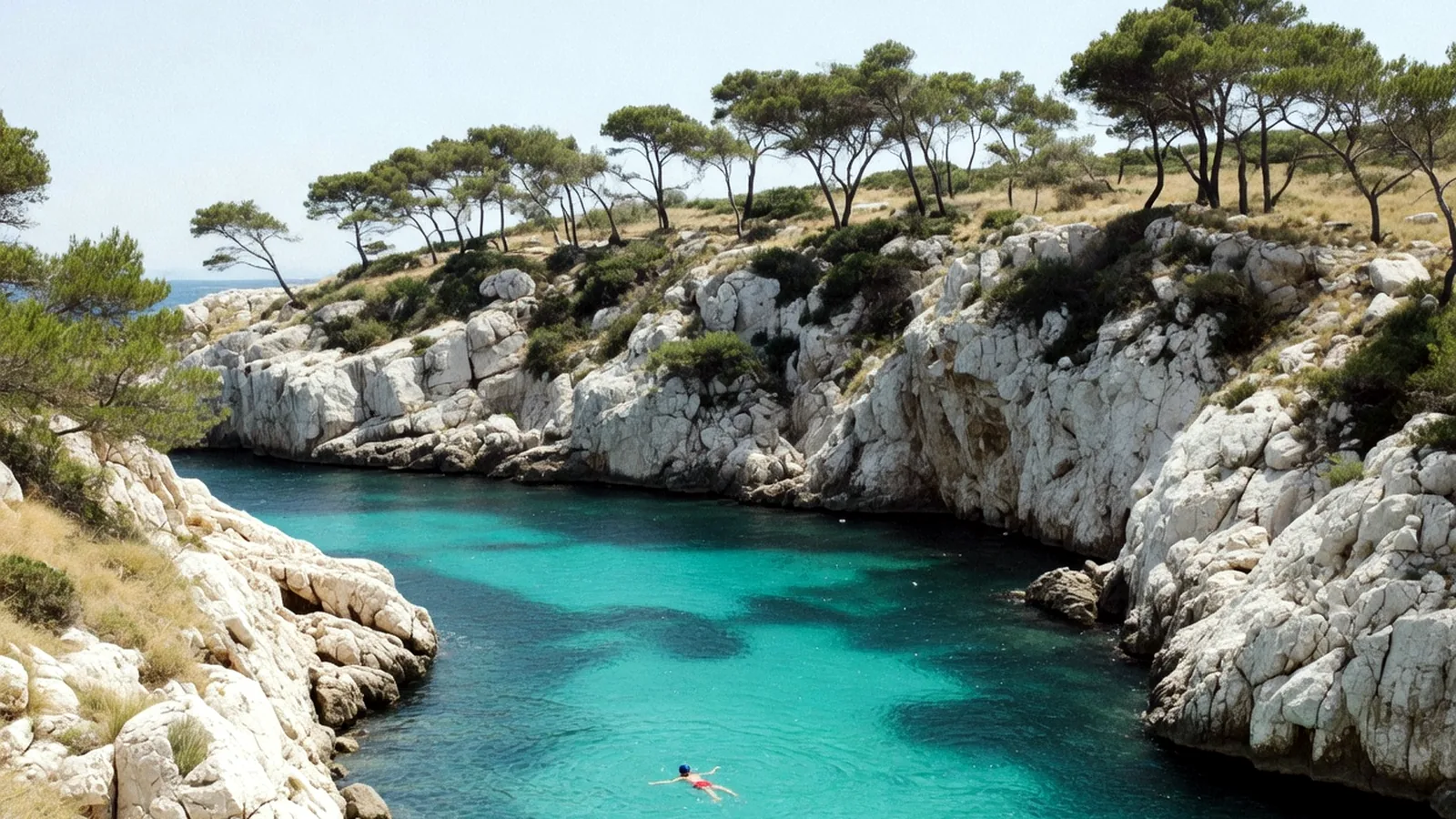
Summer arrives firmly. The south reaches 25–30°C. Paris averages 22–24°C. The longest days (16+ hours of daylight) make outdoor dining stretch past 10 pm. The Mediterranean sea reaches 20°C — swimmable.
July
Peak season, peak heat. The Mediterranean regularly tops 30°C (heatwaves can push above 40°C). Paris averages 25°C but heatwaves are increasingly common. The Atlantic coast is cooler (22–25°C) and breezy. Schools are out — all of France goes on les grandes vacances (the great holidays).
August
The hottest month on average. Southern France bakes. Paris empties as residents flee to the coast — but the city fills with tourists. The Mistral can bring relief (and fury) to the Rhône Valley. Sea temperatures peak at 22–25°C on the Mediterranean.
September
Still warm, less crowded, arguably the best month to visit. The vendanges (grape harvest) begins — burgundy, bordeaux, champagne. Temperatures ease to 20–25°C. The sea is at its warmest (23–24°C). Perfect light for photography.
October
Autumn colour sweeps across France — vineyards turn gold and red, forests flame. Paris averages 15°C and is magnificent. The south remains pleasant at 18–22°C. The first frosts appear in the mountains and northeast.
November
Grey, cool, wet — November is France's least popular travel month. Paris averages 10°C, with frequent rain. The south is the refuge: Nice still manages 15–17°C and occasional sunshine.
December
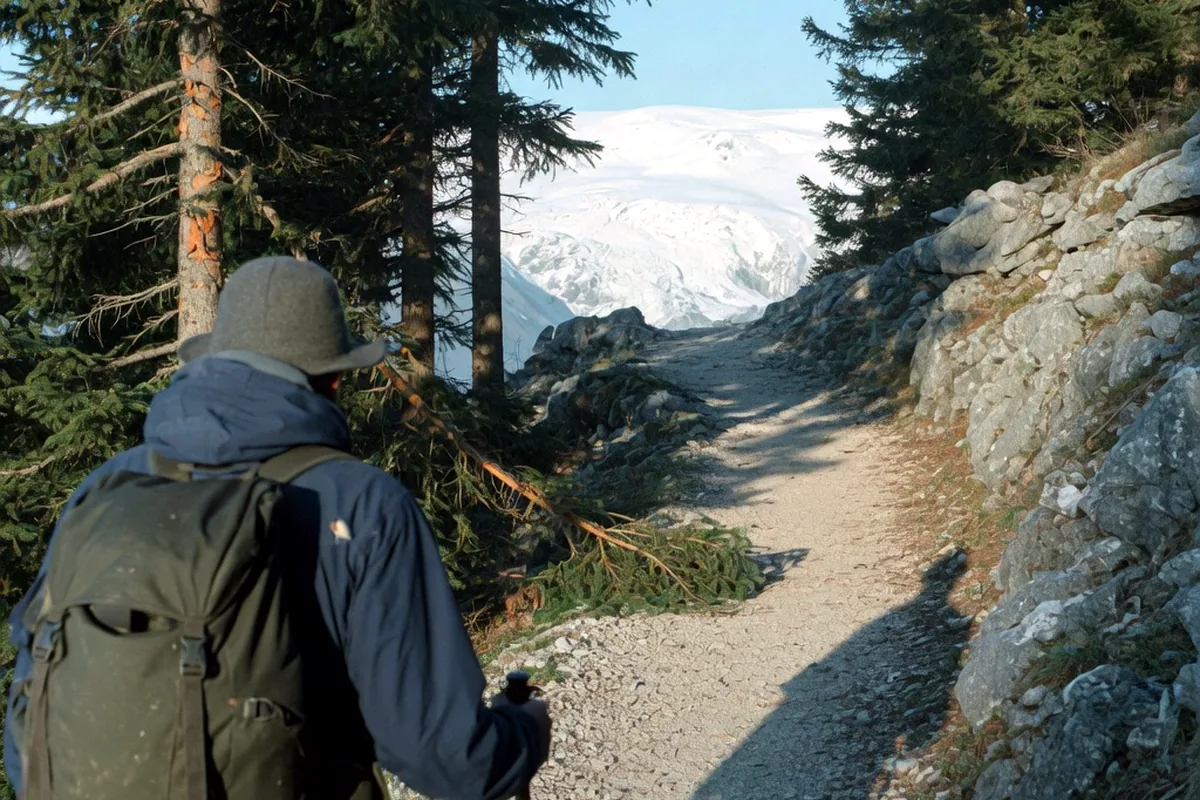
Winter proper. Christmas markets light up Alsace and northern cities. The Alps and Pyrenees open for skiing (snow from mid-December at altitude). Paris is festive but cold (6–8°C). The south stays mild but the Mistral can make it feel colder.
When to Visit France — Choosing the best month for your trip — our practical guide on La Porte.
On the ground
| Pin | Working note |
|---|---|
| Page | France Month by Month |
| Desk | La Terre |
| First use | Read the pins, then one related page — not five |
| Confirm | Official site or ticket desk the week you go |
The useful unit is one place or one question, not a fourteen-day montage of France. France Month by Month sits in a country that is easy to over-plan and easy to under-prepare. The climate layer is where visitors collect names. This page is the opposite: what to do first, what to skip, and which sibling guide holds the rest.
France rewards a slow unit. One arrondissement, one valley, one appellation, one park trail. The photograph of five landmarks in five days is a real holiday, and it is also a queue with a passport. If you only have three nights, spend two of them in the same bed. The third night is for a train, not a third hotel.
Working a visit
Practical France is sockets (Type E/F, 230 V), tap water that is safe, pharmacies that are the real clinic for minor trouble, and a lunch hour that still closes a village. Cards work in cities. Cash still opens some park kiosks, some island boats, and some market stalls that have never seen contactless. A lightweight adapter belongs in the personal item, not the hold.
We will not write as if every reader is on a gap year, or as if every reader is in a palace hotel. We will not flatten 'the south' into one climate. We will not treat a strike day, a jour férié, or a Tuesday museum closure as a personality quirk of the French. They are calendars. Check them. Then use France Month by Month as a pin, not as scripture.
Cross the five guides instead of cloning them. La Porte holds trains and the first week. La Terre holds weather and park gates. L'Esprit holds museum Tuesdays and the Revolution. La Table holds the market morning and the wine list. Le Moteur holds the Tour, the working week, and why August is empty in Paris and full on the coast.