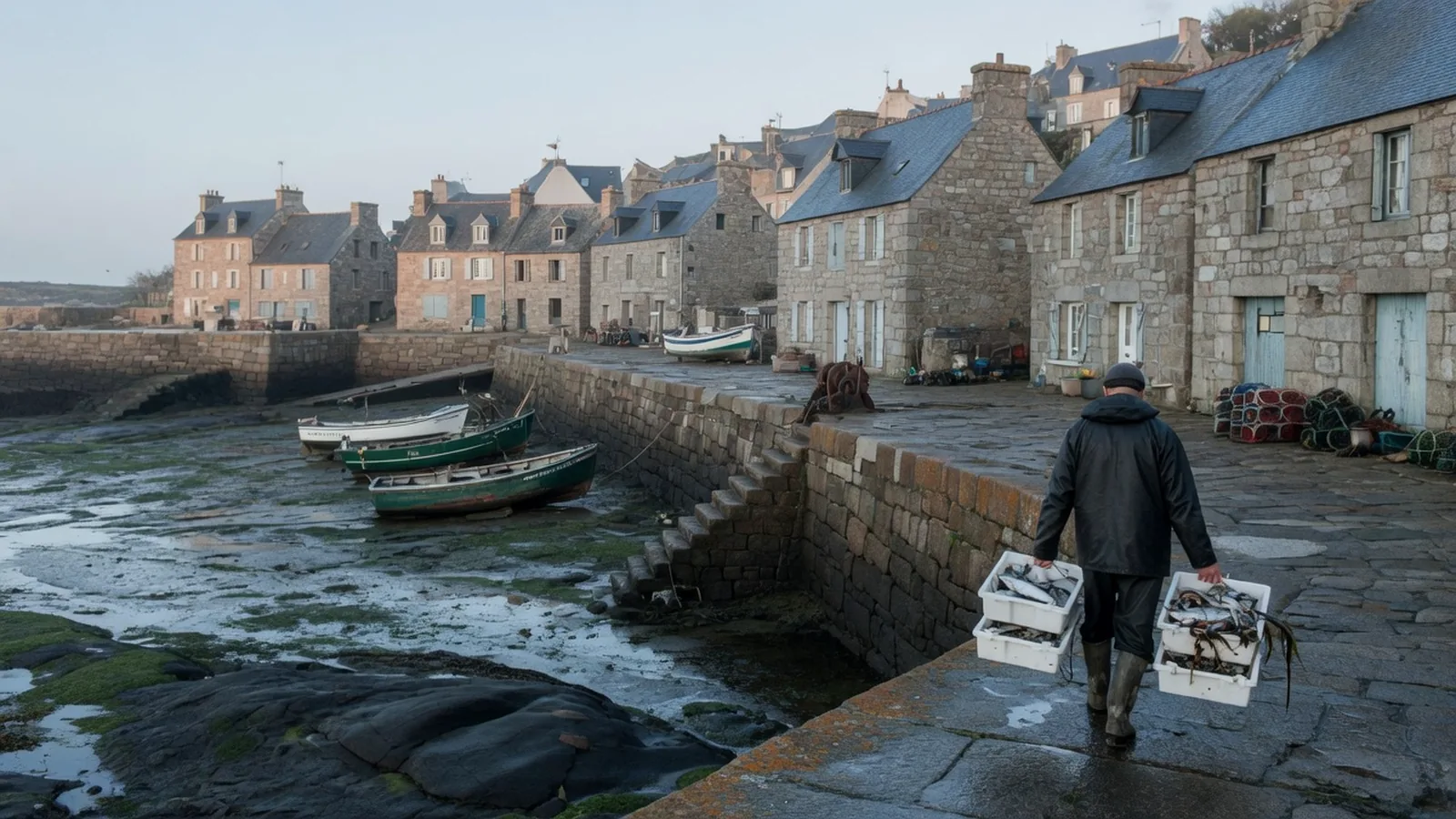
France straddles the boundary between Atlantic and Mediterranean climates — a geographical position that gives it four distinct climate zones within a single country. This diversity is one of France's defining advantages: it supports everything from Alpine skiing to Mediterranean beach holidays, from Champagne grapes to olive groves, from green Normandy pastures to sun-baked Provençal lavender.
| France's Climate Zones | Detail |
|---|---|
| Oceanic (west and north): Mild, wet, moderate — covers ~60% of the country | |
| Continental (east and centre): Cold winters, warm summers, higher temperature range | |
| Mediterranean (south coast): Hot dry summers, mild wet winters, 2,500+ hours of sunshine | |
| Mountain (Alps, Pyrenees, Massif Central): Altitude-dependent — cold, snowy winters, cool summers | |
| Annual sunshine range: 1,550 hours (Lille) to 2,900 hours (Toulon) | |
| Average rainfall range: 600 mm (Paris Basin) to 2,000+ mm (western Pyrenees) |


Oceanic Climate
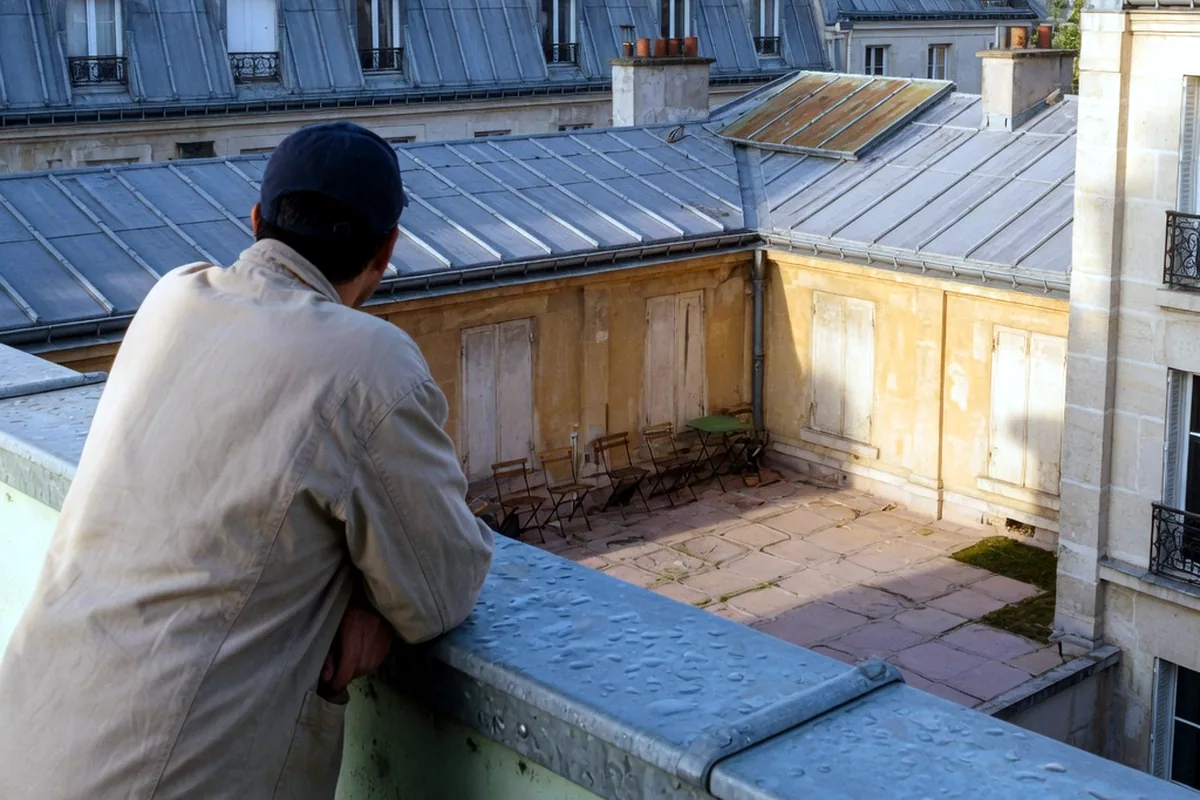
The dominant climate of France — covering Brittany, Normandy, the Loire Valley, the Paris region, and most of the Atlantic coast. Defined by the moderating influence of the Gulf Stream and Atlantic air masses.
Characteristics:
- Mild winters (2–7°C average January)
- Cool to warm summers (17–22°C average July)
- Rainfall spread evenly through the year (600–1,000 mm)
- Frequent cloud cover, especially in the northwest
- Low risk of extreme temperatures
Where you'll feel it: Paris, Bordeaux, Nantes, Rennes, Rouen. The classic French countryside — green, temperate, and changeable.
Continental Climate
Eastern France — Alsace, Lorraine, Burgundy, Franche-Comté, and parts of the Paris Basin — experiences a more continental climate with greater seasonal extremes.
Characteristics:
- Cold winters (0–3°C average January, frequent frosts)
- Warm summers (18–25°C average July)
- Greater annual temperature range (up to 20°C between winter and summer averages)
- Rainfall moderate (600–800 mm), often as summer thunderstorms
- Cold snaps from eastern European air masses
Where you'll feel it: Strasbourg, Dijon, Lyon (which blends continental and Mediterranean influences).
Mediterranean Climate
Southern France — Provence, Languedoc, Roussillon, Corsica, and the Côte d'Azur — enjoys the classic Mediterranean climate.
Characteristics:
- Hot, dry summers (25–30°C average, often above 35°C in heatwaves)
- Mild winters (7–12°C average January on the coast)
- Rainfall concentrated in autumn and spring, very low in summer
- 2,500–2,900 hours of sunshine per year
- The Mistral (a powerful cold northerly wind) — blows down the Rhône Valley with speeds up to 100 km/h
- The Tramontane (a strong wind from the north/northwest in Languedoc)
Where you'll feel it: Marseille, Nice, Montpellier, Perpignan, Ajaccio.
Mountain Climate
Altitude creates its own rules. France's mountain ranges experience conditions that can vary enormously over small distances.
Characteristics:
- Temperature drops ~6.5°C per 1,000 m of altitude
- Heavy snowfall in winter (5–10 m at high stations in the Alps)
- Summer storms common, especially in the afternoon
- Above 2,500 m: permanent snow cover, glaciers, extreme conditions
- Valley inversions in winter: cold fog trapped below, sunshine above
Where you'll feel it: Chamonix, Val d'Isère, Cauterets, Puy de Dôme, Gérardmer.
The Transition Zones
France's climate zones don't have sharp boundaries — several regions sit in transition:
- Lyon: Continental meets Mediterranean — cold foggy winters, hot summers, Mistral influence
- The Garonne Valley (Toulouse): Oceanic meets Mediterranean — warm but rainy
- The Rhône Corridor: Mediterranean air pushes far north through the valley
- Corsica: Mediterranean coast but mountain interior — altitude creates dramatic contrasts
When to Visit France — Practical month-by-month weather guide for planning your trip — on La Porte.
On the ground
| Pin | Working note |
|---|---|
| Page | Climate Zones of France |
| Desk | La Terre |
| First use | Read the pins, then one related page — not five |
| Confirm | Official site or ticket desk the week you go |
Climate Zones of France is a working page on La Terre, not a souvenir. Use it with the week you travel. Climate Zones of France sits in a country that is easy to over-plan and easy to under-prepare. The climate layer is where visitors collect names. This page is the opposite: what to do first, what to skip, and which sibling guide holds the rest.
France rewards a slow unit. One arrondissement, one valley, one appellation, one park trail. The photograph of five landmarks in five days is a real holiday, and it is also a queue with a passport. If you only have three nights, spend two of them in the same bed. The third night is for a train, not a third hotel.
Working a visit
Practical France is sockets (Type E/F, 230 V), tap water that is safe, pharmacies that are the real clinic for minor trouble, and a lunch hour that still closes a village. Cards work in cities. Cash still opens some park kiosks, some island boats, and some market stalls that have never seen contactless. A lightweight adapter belongs in the personal item, not the hold.
We will not write as if every reader is on a gap year, or as if every reader is in a palace hotel. We will not flatten 'the south' into one climate. We will not treat a strike day, a jour férié, or a Tuesday museum closure as a personality quirk of the French. They are calendars. Check them. Then use Climate Zones of France as a pin, not as scripture.
Cross the five guides instead of cloning them. La Porte holds trains and the first week. La Terre holds weather and park gates. L'Esprit holds museum Tuesdays and the Revolution. La Table holds the market morning and the wine list. Le Moteur holds the Tour, the working week, and why August is empty in Paris and full on the coast.