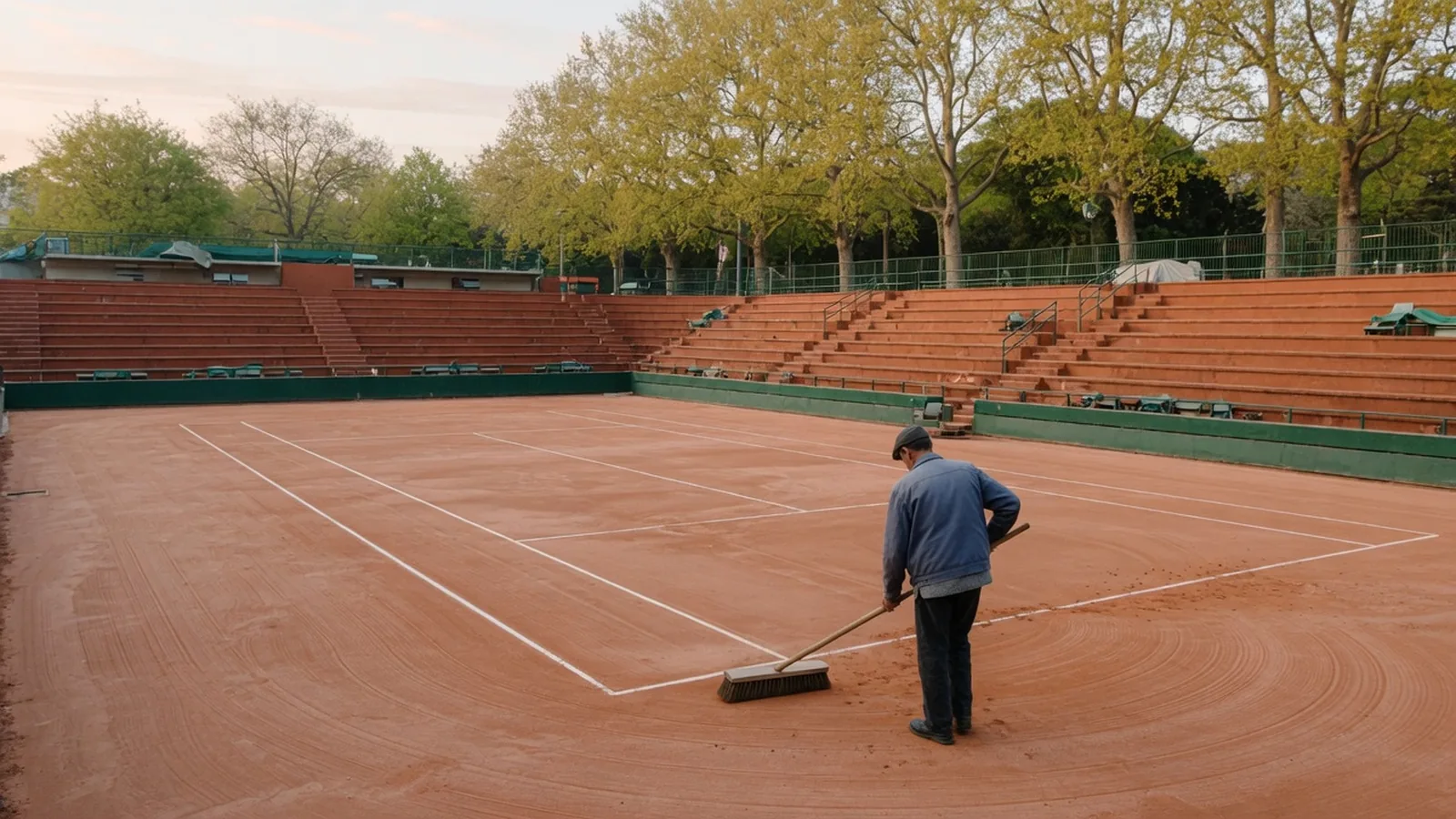
Port-Cros is a tiny jewel — one of the three Îles d'Hyères off the Var coast, and Europe's first marine national park (1963). The entire island (7 km²) and its surrounding sea (1,288 km² of marine zone, expanded in 2016) are protected. No cars, no paved roads, no large-scale development — just forested hills, coves with crystal water, and a silence broken by cicadas and waves.
| Port-Cros National Park | Detail |
|---|---|
| Created: 1963 (co-first national park with Vanoise; Europe's first marine NP) | |
| Island area: 7 km² | |
| Marine protected area: 1,288 km² (extended to include Porquerolles marine zone) | |
| Altitude: 0–196 m (Mont Vinaigre) | |
| Plant species: 600+ | |
| Seabird species: Yelkouan shearwater colony (globally significant) | |
| Underwater trail: Marked snorkelling route in the Baie de la Palud | |
| Access: Ferry from Hyères or Le Lavandou (30–60 min crossing) |

The Island
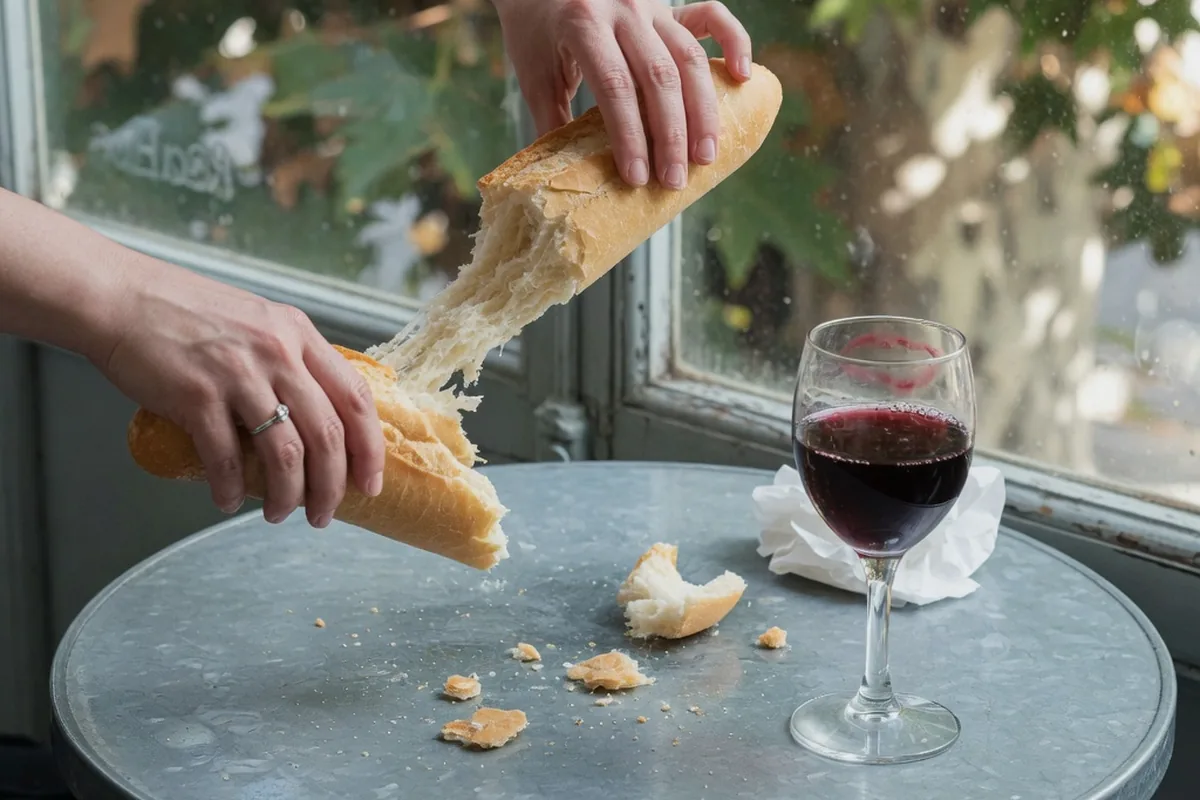
Port-Cros is the most mountainous and wild of the three Îles d'Hyères. Its interior is dense Mediterranean forest — Aleppo pine, holm oak, arbutus, myrtle, and tree heather — and its coast alternates between rocky headlands and small sandy coves. The walking trails (30 km) wind through shaded forest to panoramic viewpoints and secluded beaches.
Key walks:
- Sentier des Plantes — a botanical trail through the island's rich macchia
- Port-Cros to Plage de la Palud — the best beach, with an underwater trail
- Circuit des Crêtes — the ridgeline walk with views across all three islands
Marine Life
The surrounding sea is exceptionally rich — decades of protection have allowed populations to recover:
- Grouper (mérou (grouper)) — once nearly eliminated by spearfishing, now abundant
- Barracuda, dentex, sea bream — large fish visible while snorkelling
- Posidonia meadows — healthy, extensive, supporting the food chain
- Underwater snorkelling trail — in the Baie de la Palud, with waterproof information panels explaining the species at each station
Seabirds
Port-Cros and the neighbouring island of Le Levant host a globally significant colony of Yelkouan shearwater (Puffinus yelkouan) — a Mediterranean endemic seabird. At dusk, the returning birds create an extraordinary cacophony as they crash through the forest canopy to their burrow nests.
Porquerolles
Porquerolles (the largest of the three islands) is administered by the Port-Cros National Park since 2012. Its northern beaches (Plage Notre-Dame, Plage d'Argent) have Caribbean-clear water, while the southern coast is rocky and wild. A landscape of vineyards, olive groves, and pine forest — car-free, bicycle-friendly.
Visiting
- Ferries: Run daily from Hyères (La Tour Fondue) and Le Lavandou. Year-round for Port-Cros; more frequent in summer.
- No accommodation on Port-Cros: Day trip only (a few rooms at the one hotel, rarely available). Porquerolles has hotels, B&Bs, and restaurants.
- Rules: No smoking outside the village. No fires. No picking plants. Dogs prohibited. No anchoring over Posidonia.
- Best season: May–June and September for quiet beaches and warm water.
Côte d'Azur — The Hyères islands are an easy day trip from the Riviera — practical details on La Porte.
On the ground
| Pin | Working note |
|---|---|
| Park | Port-Cros National Park |
| Core zone | Rules are real: dogs, drones, fires, off-trail |
| Shoulder | July crowds; September walking |
| Cash | Some huts and car parks still want notes |
If another France InfoBuffoon guide owns the beat — a park gate, a museum Tuesday, a wine list — we send you there instead of duplicating a thinner copy here. Port-Cros National Park sits in a country that is easy to over-plan and easy to under-prepare. The parks layer is where visitors collect names. This page is the opposite: what to do first, what to skip, and which sibling guide holds the rest.
France rewards a slow unit. One arrondissement, one valley, one appellation, one park trail. The photograph of five landmarks in five days is a real holiday, and it is also a queue with a passport. If you only have three nights, spend two of them in the same bed. The third night is for a train, not a third hotel.
Working a visit
Practical France is sockets (Type E/F, 230 V), tap water that is safe, pharmacies that are the real clinic for minor trouble, and a lunch hour that still closes a village. Cards work in cities. Cash still opens some park kiosks, some island boats, and some market stalls that have never seen contactless. A lightweight adapter belongs in the personal item, not the hold.
We will not write as if every reader is on a gap year, or as if every reader is in a palace hotel. We will not flatten 'the south' into one climate. We will not treat a strike day, a jour férié, or a Tuesday museum closure as a personality quirk of the French. They are calendars. Check them. Then use Port-Cros National Park as a pin, not as scripture.
Cross the five guides instead of cloning them. La Porte holds trains and the first week. La Terre holds weather and park gates. L'Esprit holds museum Tuesdays and the Revolution. La Table holds the market morning and the wine list. Le Moteur holds the Tour, the working week, and why August is empty in Paris and full on the coast.
Across the five guides
- La Porte — Travel, cities, and the first week
- L'Esprit — History, arts, and landmarks
- La Table — Food, wine, and the meal
- Le Moteur — Economy, sport, and work
On the ground
| Pin | Working note |
|---|---|
| Park | Port-Cros National Park |
| Core zone | Rules are real: dogs, drones, fires, off-trail |
| Shoulder | July crowds; September walking |
| Cash | Some huts and car parks still want notes |
If another France InfoBuffoon guide owns the beat — a park gate, a museum Tuesday, a wine list — we send you there instead of duplicating a thinner copy here. Port-Cros National Park sits in a country that is easy to over-plan and easy to under-prepare. The parks layer is where visitors collect names. This page is the opposite: what to do first, what to skip, and which sibling guide holds the rest.
France rewards a slow unit. One arrondissement, one valley, one appellation, one park trail. The photograph of five landmarks in five days is a real holiday, and it is also a queue with a passport. If you only have three nights, spend two of them in the same bed. The third night is for a train, not a third hotel.
Working a visit
Practical France is sockets (Type E/F, 230 V), tap water that is safe, pharmacies that are the real clinic for minor trouble, and a lunch hour that still closes a village. Cards work in cities. Cash still opens some park kiosks, some island boats, and some market stalls that have never seen contactless. A lightweight adapter belongs in the personal item, not the hold.
We will not write as if every reader is on a gap year, or as if every reader is in a palace hotel. We will not flatten 'the south' into one climate. We will not treat a strike day, a jour férié, or a Tuesday museum closure as a personality quirk of the French. They are calendars. Check them. Then use Port-Cros National Park as a pin, not as scripture.
Cross the five guides instead of cloning them. La Porte holds trains and the first week. La Terre holds weather and park gates. L'Esprit holds museum Tuesdays and the Revolution. La Table holds the market morning and the wine list. Le Moteur holds the Tour, the working week, and why August is empty in Paris and full on the coast.