
France has 5,500 km of mainland coastline on three seas, giving it one of the richest marine environments in Western Europe. From the deep-water canyons of the Bay of Biscay (where blue whales feed) to the seagrass meadows of the Mediterranean (where seahorses and dolphins thrive), France's marine habitats are as diverse as its terrestrial landscapes.
| French Marine Life | Detail |
|---|---|
| Marine mammal species: 35+ (dolphins, whales, seals, porpoises) | |
| Marine fish species: 700+ (Atlantic and Mediterranean combined) | |
| Marine nature parks: 7 (Iroise, Arcachon, Gironde Estuary, Calanques, Cap Corse, Golfe du Lion, Mayotte) | |
| Pelagos Sanctuary: 87,500 km² – France/Italy/Monaco cetacean protection zone | |
| Posidonia meadows: ~100,000 ha along the Mediterranean coast | |
| Seabird breeding colonies: Sept-Îles (Brittany), Frioul (Marseille), Scandola (Corsica) |


Bay of Biscay — France's Whale Coast
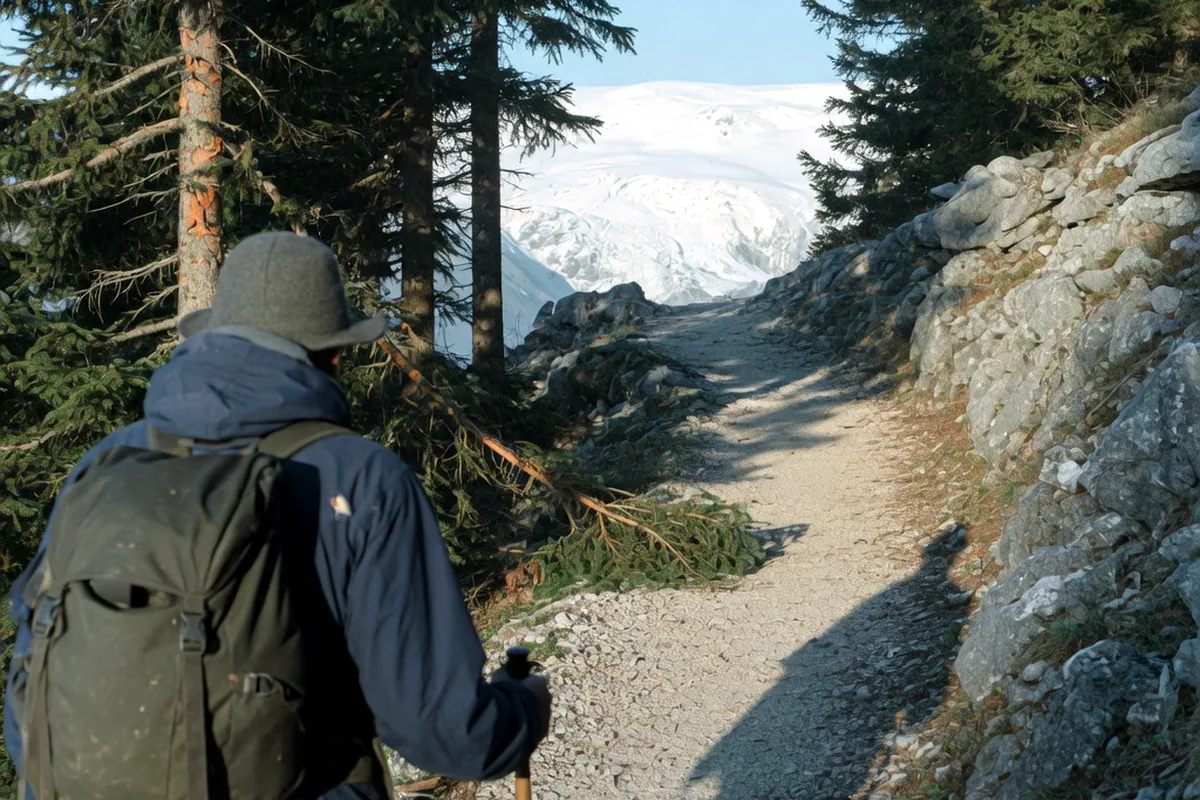
The Bay of Biscay (Golfe de Gascogne) is one of Europe's premier whale-watching destinations. The Gascony canyon system — deep submarine trenches running close to the continental shelf — creates upwelling that concentrates plankton and fish, drawing cetaceans:
- Blue whale — occasional summer visitors (the largest animal on Earth)
- Fin whale — regularly spotted, especially in late summer
- Sperm whale — deep divers, hunting squid in the canyon depths
- Common dolphin — thousands, often in pods of 100+
- Striped dolphin — Mediterranean and Bay of Biscay
- Bottlenose dolphin — coastal groups, particularly around Brittany
- Cuvier's beaked whale — shy deep-divers, seen in the canyon zones
- Harbour porpoise — small, shy, increasingly common in the Channel
Mediterranean Marine Life
The Pelagos Sanctuary
The Sanctuaire Pelagos (Pelagos Marine Sanctuary) is a 87,500 km² protected area in the northwestern Mediterranean, shared between France, Italy, and Monaco. It protects:
- Fin whales — the Mediterranean has a resident population
- Sperm whales — deep-water residents
- Striped dolphins — abundant
- Risso's dolphins, pilot whales, bottlenose dolphins
Posidonia Meadows
Posidonie (Neptune grass) (Posidonia oceanica) forms vast underwater meadows along the French Mediterranean coast. These meadows:
- Produce more oxygen per hectare than terrestrial rainforest
- Acts as nursery habitat for hundreds of fish species
- Stabilise the seabed and protect coastlines
- Are declining due to anchoring, pollution, and the invasive alga Caulerpa taxifolia
Calanques Marine Park
Extending offshore from the Calanques National Park near Marseille, this marine park protects:
- Grouper populations (recovering since fishing restrictions)
- Octopus, moray eels, sea bream
- Red coral — traditionally harvested for jewellery, now strictly regulated
Corsica — Scandola Reserve
The UNESCO-listed Scandola Nature Reserve on Corsica's west coast is France's premier marine protected area:
- Osprey nesting colony — one of the last in the Mediterranean
- Grouper, lobster, and exceptional water clarity
- Accessible only by boat from Porto or Calvi
Atlantic Seabird Colonies
Sept-Îles (Brittany)
France's most important seabird colony — a protected archipelago off the Pink Granite Coast:
- Gannets — ~20,000 pairs (France's only gannet colony)
- Puffins — a small but treasured colony
- Grey seals — a resident colony, France's largest on the mainland
Iroise Marine Park
Off the tip of Finistère, the Iroise archipelago (Ouessant, Molène) hosts:
- Grey seals, bottlenose dolphins, basking sharks (summer)
- Europe's densest kelp forests
- Storm petrels, shearwaters, and terns
The Camargue
The Rhône delta wetlands form Europe's largest river delta, home to:
- Greater flamingos — 10,000+ breeding pairs, the icon of the Camargue
- 350+ bird species recorded — a birdwatching paradise
- Camargue horses — semi-wild white horses (technically domestic, but free-ranging)
- Camargue bulls — black, long-horned, raised for courses camarguaises (non-lethal bull games)
Côte d'Azur — Explore the marine life of the French Riviera — snorkelling, diving, boat trips — on La Porte.
On the ground
| Pin | Working note |
|---|---|
| Page | Marine Life of France |
| Desk | La Terre |
| First use | Read the pins, then one related page — not five |
| Confirm | Official site or ticket desk the week you go |
Marine Life of France is a working page on La Terre, not a souvenir. Use it with the week you travel. Marine Life of France sits in a country that is easy to over-plan and easy to under-prepare. The fauna layer is where visitors collect names. This page is the opposite: what to do first, what to skip, and which sibling guide holds the rest.
France rewards a slow unit. One arrondissement, one valley, one appellation, one park trail. The photograph of five landmarks in five days is a real holiday, and it is also a queue with a passport. If you only have three nights, spend two of them in the same bed. The third night is for a train, not a third hotel.
Working a visit
Practical France is sockets (Type E/F, 230 V), tap water that is safe, pharmacies that are the real clinic for minor trouble, and a lunch hour that still closes a village. Cards work in cities. Cash still opens some park kiosks, some island boats, and some market stalls that have never seen contactless. A lightweight adapter belongs in the personal item, not the hold.
We will not write as if every reader is on a gap year, or as if every reader is in a palace hotel. We will not flatten 'the south' into one climate. We will not treat a strike day, a jour férié, or a Tuesday museum closure as a personality quirk of the French. They are calendars. Check them. Then use Marine Life of France as a pin, not as scripture.
Cross the five guides instead of cloning them. La Porte holds trains and the first week. La Terre holds weather and park gates. L'Esprit holds museum Tuesdays and the Revolution. La Table holds the market morning and the wine list. Le Moteur holds the Tour, the working week, and why August is empty in Paris and full on the coast.